
Reviewed · LUNCH EXPERIENCES
The Best of Tunisia, 3 Days Guided Tour with Lunch
Tunisia packs centuries into a short road trip. This three-day private tour links five UNESCO World Heritage sites with the blue-and-white village of Sidi Bou Said, the Roman amphitheater at El Djem, and historic coastal towns. I especially like the efficient route and the chance to see Tunisia with a dedicated guide and driver rather than manage several day trips yourself.
I also like the regional flavor built into the included lunches. Guides and drivers such as Fahmi, Yousra, Chouaib, Said, Saaed, and Ahmed have earned praise for clear English, punctuality, safe driving, and thoughtful pacing. The main drawback is simple: three days means long touring days, and some stops receive only 30 to 45 minutes.
In This Review
- Key points to know before booking
- What this three-day Tunisia tour is designed to do
- Day one: Tunis, Carthage, and the blue streets of Sidi Bou Said
- Day two: Kairouan’s sacred monuments and El Djem’s Roman arena
- Day three: Hammamet, Sousse, and Monastir by the sea
- Why the guide and driver matter so much
- Lunch, pace, and the real value of $494.77
- Who should book this private Tunisia itinerary?
- FAQ
- What time does the tour start?
- Is this a private tour?
- How many UNESCO World Heritage sites are included?
- Are lunches included?
- Are admission tickets included?
- Is pickup available?
- What happens if I need to cancel?
- Should you book it?
Key points to know before booking
- Five UNESCO World Heritage sites: Visit the medinas of Tunis, Kairouan, and Sousse, ancient Carthage, and El Djem’s Roman amphitheater.
- A truly private format: Only your group takes part, making it easier to ask questions or adjust the pace within the planned route.
- Three strong guide-and-driver pairings: Fahmi and Said, Yousra and Saaed, and Chouaib and Ahmed have been praised for punctuality, English, local insight, and safe driving.
- Lunch is part of the experience: Regional meals are included and have been praised for showing different sides of Tunisian food.
- An 8:30 a.m. start each day: This gives you useful sightseeing time, but you should be ready for full days on the road.
- Free cancellation up to 24 hours ahead: A practical safety net if your plans change, with weather-related rescheduling or refunds available.
What this three-day Tunisia tour is designed to do
At $494.77 per person, this is not a low-cost city walk. It is a private, three-day survey of much of Tunisia’s cultural core, with transport, guiding, entrance tickets, and lunch built into the experience. The value depends on what you want from a short visit.
If you have only a few days and want to connect Tunis with Kairouan, El Djem, Sousse, and Monastir, the price can make sense. Organizing those places separately would require several transport arrangements and careful timing. Here, a driver handles the roads while a guide explains what you are seeing.
The private setup also matters. Your group is not combined with strangers, and you can ask for clarification at a mosque, museum, or Roman site without waiting for a large crowd. The tour is designed for most people to join, and service animals are allowed. Pickup is offered, and confirmation arrives when you book.
The tradeoff is depth. You see a great deal, but you do not spend a full day in any one city. I would choose this tour for a first visit or a compact introduction, not for a slow study of Tunisian architecture, food, or archaeology.
More things to do in Tunis:
- Private Tour to Kairouan, El Jem & Monastir from Tunis_hammamet
★ 5.0 · 301 reviews - Private tour: Medina,Carthage ,Sidi Bou Said, Bardo Museum+lunch
★ 5.0 · 230 reviews - Carthage, Bardo Museum, Sidi Bou Said and Medina Private Day Tour
★ 4.5 · 153 reviews
Day one: Tunis, Carthage, and the blue streets of Sidi Bou Said
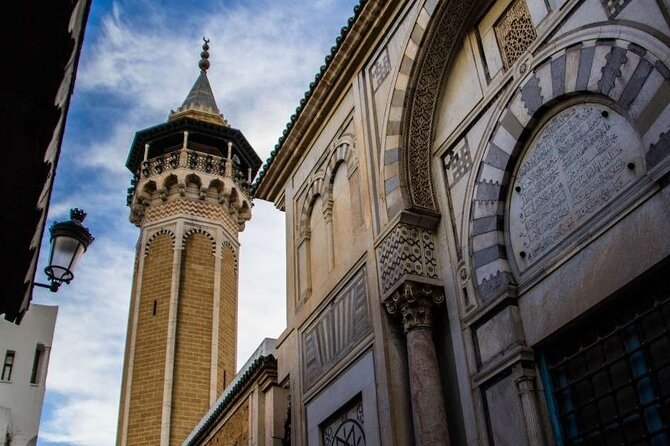
The first morning begins at 8:30 a.m. with the Medina of Tunis, one of North Africa’s great medieval quarters. The word medina means old city, and this one is a maze of narrow lanes, covered souks, cafes, workshops, homes, mosques, hammams, and religious schools.
You can expect richly decorated doors, tiled walls, carved plaster, and marble columns. The souks sell shoes, clothing, crafts, and shisha supplies, while artisans work in small shops along the lanes. A 45-minute visit is enough to get a feel for the quarter and see its main character, but it will not allow much time for shopping or detailed architectural study.
I would wear comfortable shoes and keep your group close. The old city is built for walking, not for wide views or quick navigation. A local guide is especially useful here because the most interesting details are often above eye level or tucked behind an unassuming doorway.
The next stop is La Goulette, a seaside district known for its cafes, restaurants, and year-round street activity. You have about an hour here, and the stop gives the day a change of pace after the tight lanes of the medina. It is not one of the tour’s major ancient monuments, but it adds a look at modern coastal life.
From La Goulette, the tour moves to Carthage. The ancient site is spread through the present-day city rather than gathered inside one compact ruin field, so a guide and vehicle are useful. The site has UNESCO status and occupies an important place in Mediterranean history, with remains scattered among modern streets and neighborhoods.
You have about 80 minutes at Carthage. That is enough for a strong introduction, though the wide spread of the remains means you should not expect to inspect every section. The appeal here comes partly from the contrast: ancient ruins appear beside a living Tunis suburb, reminding you that Carthage is not an isolated archaeological park.
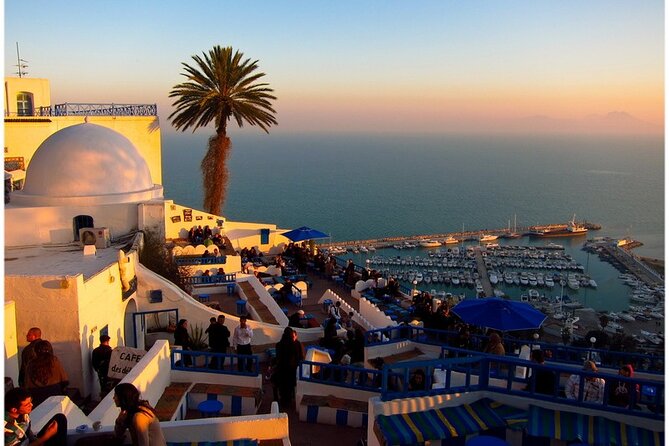
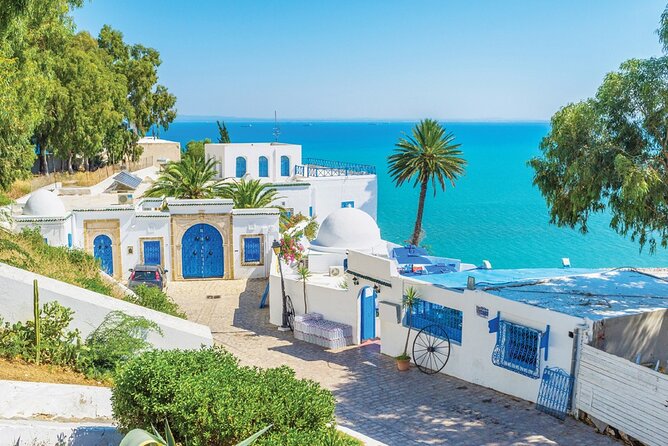
The final stop is Sidi Bou Said, a hilltop village with white buildings, blue doors, cobbled lanes, and broad views toward the sea. Its design reflects Ottoman and Andalusian influences, linked in part to the arrival of Spanish Muslims in the 16th century.
The 45-minute visit is well suited to walking, photographs, and a little time to enjoy the village’s calm style. The roads and lanes are more open than those in Tunis, but the visit is still brief. If you want a long cafe stop or time to browse every shop, you may feel rushed.
Day one is the most varied day of the tour. You move from medieval streets to a seaside district, then to ancient Carthage and a distinctive hill village. It is a strong opening, but the number of changes means you should think of it as a sampler rather than a slow exploration.
Day two: Kairouan’s sacred monuments and El Djem’s Roman arena
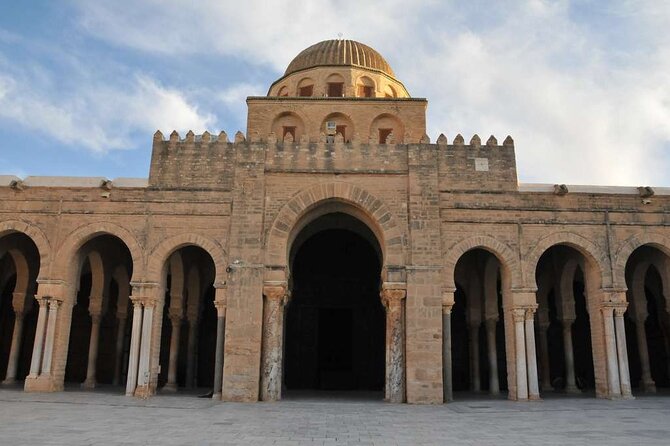
Day two turns inland toward Kairouan, one of Islam’s four holiest cities. The centerpiece is the Great Mosque, founded in 670 and regarded as one of the oldest and most important mosques in the world.
The mosque’s exterior has the solid look of a fortress. Inside, you see a large courtyard, arcades, a sundial, tall carved cedar doors, and prayer rooms lined with marble columns. The 45-minute visit gives you time to appreciate the scale and structure, though religious sites require respectful clothing and behavior.
The Great Mosque is not just a stop for photographs. It helps explain Kairouan’s place in North African religious and architectural history. Its design influenced later mosques across the Maghreb, so the guide’s explanation can help you notice features that might otherwise seem like fine decoration without a wider purpose.
Next come the Aghlabid Basins, about a 30-minute visit. These large waterworks date from the second half of the 9th century and reflect the importance of water management in the medieval Islamic world. They are less visually elaborate than the mosque, but they explain how a major inland city supported itself.
The Medina of Kairouan follows, with about an hour to explore. This old quarter is known for its preserved character, souks, carpets, and the local pastry called mekroud, a sweet made with semolina and dates. You can also see traditional carpet production and browse small craft shops.
This is one of the better places to leave room for a purchase, but remember that the schedule is fixed. If you enjoy textiles or food, tell your guide early so the stop does not pass too quickly. The medina offers a more local, less polished experience than a resort district, with the practical unevenness that comes with an old quarter.
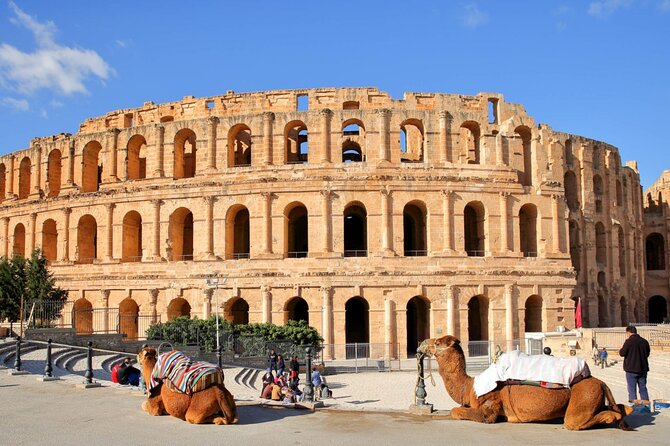
After Kairouan, the route reaches El Djem and its Roman amphitheater. This is the day’s great visual surprise. Built in the 3rd century AD, the arena could hold about 30,000 spectators and ranks among the largest Roman amphitheaters ever built.
The structure is remarkably imposing. You can walk through its corridors, look into the arena, and climb for views across the stone tiers. The one-hour-and-20-minute visit is generous enough to appreciate the building without turning into a long archaeology lesson.
El Djem was ancient Thysdrus, a prosperous Roman city. The amphitheater’s size reflects that wealth. It also gives you a different kind of historical experience from Carthage: Carthage is scattered and layered, while El Djem presents one powerful monument that is easy to understand at a glance.
The nearby Archaeological Museum of El Djem adds context. It occupies the site of a Roman villa and follows the villa’s layout around a central courtyard. Inside are sculptures, mosaics, ceramics, and other objects found in Thysdrus and nearby areas.
Allow about 40 minutes here. The museum is not simply an extra indoor stop. It helps you read the amphitheater better by showing the domestic life, decoration, and craftsmanship of the city that built it.
Day two is likely the most demanding day. Kairouan and El Djem are both major sites, and the road between them adds to the schedule. Still, the payoff is high: you get religious architecture, historic water engineering, a working old quarter, a major Roman monument, and a museum in one day.
Day three: Hammamet, Sousse, and Monastir by the sea
The final day begins in Hammamet, a resort town with more than beaches and summer nightlife. Its old quarter has white houses, historic ramparts, narrow lanes, and a sandy setting near the sea. Jasmine, citrus groves, and the town’s coastal character add a softer mood after the intensity of Kairouan and El Djem.
You have about an hour here. The visit works best as a walk through the medina and a look at the contrast between old Hammamet and the newer Yasmine Hammamet resort area. Nature lovers may appreciate the nearby lemon groves and wooded areas, though the tour does not promise extended time in those places.
Sousse comes next. Its medina is a UNESCO World Heritage site and forms a compact example of Arab-Muslim planning in a coastal city exposed to threats from the sea. The old quarter’s design reflects both trade and defense.
A one-hour stop gives you time to see the medina’s lanes, walls, shops, and key architectural features. Compared with Tunis, Sousse feels more concentrated. Compared with Kairouan, it has a stronger coastal and defensive identity.
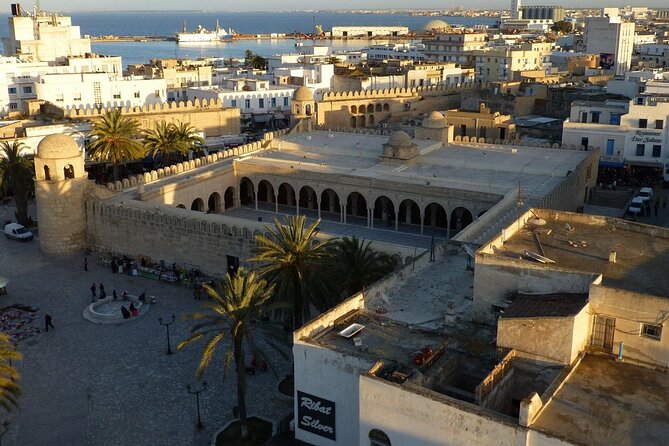
The last major monument is the Ribat of Monastir. Founded in 796, it is the oldest and most important of the defensive religious buildings built along the Maghreb coast by early Arab conquerors. The structure combines military purpose with prayer and contemplation.
Inside, you can see the interior courtyards, small cells, and prayer rooms. A spiral staircase with about 100 steps leads to the watchtower. If you climb it, you get a better sense of why the building mattered: the Ribat was both a place of devotion and a lookout over the coast.
The visit lasts about 45 minutes. That is enough to see the main sections, but the stairs may take time if several people are using them. The building is more than a scenic old fortress. Its layout shows how religious life and coastal defense were linked in the early medieval period.
The final half-hour is at Monastir Marina. This is a modern port used for visiting boats, passage, winter stays, and regattas. It is a relaxed finish after three days of ruins, old cities, and religious monuments.
Day three has a lighter rhythm than day two, but it still covers three separate coastal towns. The variety is useful, although you should not expect long beach time or a leisurely resort afternoon.
A few more options to weigh up in Tunis
- Guided Bike Tour of Carthage Archeological Site in Tunisia
★ 5.0 · 88 reviews - Guided tour in the UNESCO world heritage Medina of Tunis
★ 5.0 · 68 reviews - Group Guided Bike Tour of Carthage Archeological Site in Tunisia
★ 5.0 · 57 reviews - 7 Day Guided Tunisia Tour Including Pickup
★ 5.0 · 27 reviews
Why the guide and driver matter so much
The strongest part of this tour is not just the list of places. It is the way a private guide and driver make a dense route workable.
Fahmi has been praised for excellent English, broad language skills, and strong knowledge of the sites. Yousra has been described as attentive and caring, while Chouaib has been praised for knowing good viewpoints and helping avoid crowded moments. Drivers including Said, Saaed, and Ahmed have earned strong marks for punctuality, safety, and comfort on the road.
That combination matters in Tunisia. The sites are spread across the country, and the experience changes sharply from one stop to the next. A good guide can explain why a mosque matters, point out the difference between a Roman amphitheater and a theater, and help you understand how a coastal ribat functioned.
The private format also gives you a better chance to ask for practical help. You can ask about mekroud, carpets, mosque etiquette, or the best use of a short stop. The tour remains scheduled, but it is less rigid than a large coach trip.
Lunch, pace, and the real value of $494.77
Lunch is included, and the meals have been praised for representing different Tunisian regions. That is a welcome part of the plan. Food becomes more than fuel when the menu changes with the route and your guide explains what you are eating.
At $494.77 per person, the tour is best judged as a private package rather than a collection of admission tickets. You are paying for three days of transport, a dedicated guide and driver, entrance to the listed sites, and lunches. The value is strongest for couples, families, or small groups who want to cover a lot without arranging each transfer.
It is less attractive if you prefer to spend hours in one medina, linger over coffee, or travel at the lowest possible price. The schedule has several short visits, and the tour does not provide enough information to assume that hotel accommodation is included. Confirm what is covered for your particular booking before you pay.
The average booking lead time is 67 days, so planning ahead may be wise. Free cancellation is available until 24 hours before the start time for a full refund. If poor weather cancels the experience, you can receive a different date or a full refund.
Who should book this private Tunisia itinerary?
I would recommend it to a first-time visitor who wants a strong national overview in three days. It suits anyone who values a private vehicle, clear guiding, included lunches, and a route that reaches places difficult to combine independently.
It is also a good fit if you want reassurance on the road. The available guide and driver pairings have been praised for showing up on time, speaking fluent English, and creating a safe, well-paced experience.
I would hesitate if your priority is beach time, nightlife, or slow travel. Hammamet and Monastir appear, but this is not a resort holiday. I would also think twice if you dislike early starts, frequent changes of scenery, or long stretches between major sites.
FAQ
What time does the tour start?
The start time is 8:30 a.m. each day.
Is this a private tour?
Yes. Only your group participates in the activity.
How many UNESCO World Heritage sites are included?
The route includes five: the Medina of Tunis, the archaeological site of Carthage, Kairouan, the amphitheater of El Djem, and the Medina of Sousse.
Are lunches included?
Yes. Lunch is included, and the meals highlight food from different Tunisian regions.
Are admission tickets included?
Admission is included at the Medina of Tunis, Carthage, the Great Mosque of Kairouan, the Aghlabid Basins, the Medina of Kairouan, El Djem’s amphitheater, the Archaeological Museum of El Djem, the Medina of Sousse, the Ribat of Monastir, and Monastir Marina.
Is pickup available?
Yes. Pickup is offered.
What happens if I need to cancel?
You can cancel up to 24 hours before the experience starts for a full refund. Cancellations or changes made less than 24 hours before the start time are not accepted, and poor weather may result in a new date or a full refund.
Should you book it?
Book this tour if you want maximum coverage in minimum time and prefer a private guide-and-driver team to independent planning. Its best moments are the Great Mosque of Kairouan, El Djem’s huge Roman arena, the lanes of Tunis, and the Ribat of Monastir.
Skip it if you want an unhurried Tunisia trip. Three days can introduce the country’s major cultural sites, but it cannot give every medina, museum, and seaside town the time it deserves. For a short first visit, though, the route offers unusually good range, solid practical support, and a clear sense of how varied Tunisia can be.
Just added in Tunis
- Private Arrival Transfer: Tunis Airport to Tunis Hotel★ 4.5 · 5 reviews
- Cap Bon Guided Day Tour from Tunis★ 5.0 · 2 reviews
- Dougga Guided Day Tour from Tunis★ 5.0 · 5 reviews
- Unveiling the Beauty of Sidi Bou Said and Carthage Private Tour★ 5.0 · 2 reviews
- Tunis Carthage Private Arrival Airport Transfer to Tunis★ 5.0 · 4 reviews
- Tunis Group Tour: Carthage, Sidi Bou Said, Bardo museum & Medina★ 5.0 · 5 reviews
- Bardo Museum , Oudhna and the roman aqueduct★ 5.0 · 4 reviews
- Bardo Museum- The ruins of Carthage- Village of Sidi Bou Said★ 5.0 · 4 reviews
Lunch Experiences, compared.
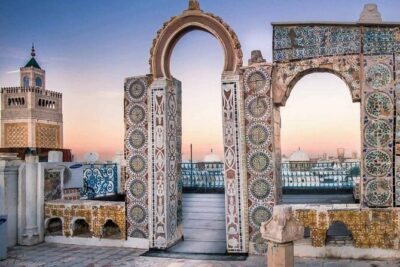
Private tour: Medina,Carthage ,Sidi Bou Said, Bardo Museum+lunch
Read our review →Private tour: Medina,Carthage ,Sidi Bou Said, Bardo Museum+lunch
Read our review →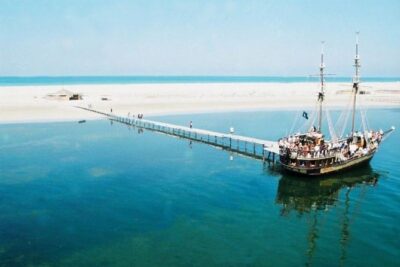
Djerba Flamingo Island Pirate Boatrip – Trip, Lunch & Pick-up
Read our review →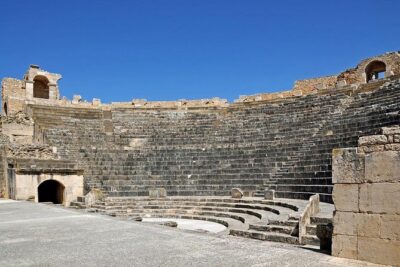
Full Day Dougga & Bulla Regia Via Testour Private tour with Lunch
Read our review →Private tour: Medina,Carthage ,Sidi Bou Said, Bardo Museum+lunch
Read our review →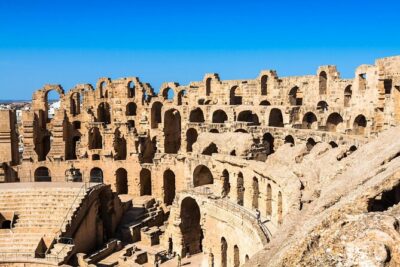
Kairouan & El Djem Guided Day Trip with Lunch from Hammamet
Read our review →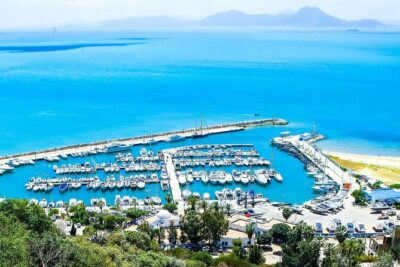
Ancient Carthage and Sidi Bou Said Half Day Tour with Lunch
Read our review →
Browse the lists this tour appears in