
Reviewed · BARDO MUSEUM
Bardo Museum , Oudhna and the roman aqueduct
Three Tunisian sites, one very full day. This private tour brings together the Bardo Museum, Carthage’s ancient water system, and Oudhna’s Roman ruins in about six to seven hours. I like the clever mix of indoor art and open-air archaeology, and I like having an air-conditioned vehicle for the drive between sites.
The main consideration is pace. You get roughly two hours at the museum, 30 minutes at the Carthage cisterns, 30 minutes at the aqueduct, and two hours at Oudhna, so the day is packed. Lunch is not included, and the $258.49 price covers a private group of up to two people rather than each individual.
In This Review
- Key points to know before booking
- Why this Tunis day trip works so well
- The Bardo Museum and its palace setting
- Carthage’s Malaga Cisterns and the water supply
- The 132-kilometer aqueduct toward Zaghouan
- Oudhna’s 16,000-seat amphitheater
- The Capitol and Villa Laberii mosaics
- Timing, transport, and comfort on the road
- Who should book this experience
- Should you book the Bardo, aqueduct, and Oudhna tour?
- FAQ
- How long does the tour last?
- How many people can join the private tour?
- Is pickup offered?
- Is transportation included?
- Is admission included at the Bardo Museum?
- Is admission included at the Malaga Cisterns?
- Is there an admission charge for the aqueduct?
- Is admission to Oudhna included?
- Is lunch included?
- What happens if bad weather cancels the tour?
Key points to know before booking
- The Bardo Museum occupies an Ottoman-era royal palace, giving the Roman mosaics an impressive setting before you even reach the galleries.
- The aqueduct once carried water for 132 kilometers, linking mountain springs near Zaghouan with ancient Carthage.
- The Malaga Cisterns contain 18 water chambers, a striking reminder of the engineering needed to supply Carthage.
- Oudhna combines an amphitheater, Capitol, underground vaults, and Villa Laberii mosaics in one archaeological park.
- The tour is private for up to two people, with pickup offered and an air-conditioned vehicle included.
- Free cancellation is available up to 24 hours before departure, while poor weather can lead to a new date or full refund.
Why this Tunis day trip works so well
I like this experience because it connects objects, buildings, and infrastructure. The Bardo Museum shows the art created in Roman North Africa. Carthage shows part of the water system that supported the city. Oudhna then lets you see the public and private side of Roman life through its amphitheater, Capitol, and mosaic work.
That progression gives the day a clear story. You begin with fine detail inside a palace, move to the practical problem of supplying water, and finish among large ruins surrounded by open countryside. You are not simply ticking off unrelated sights.
The private format also matters. A price of $258.49 for up to two people works out to about $129.25 each if two people share it. That is not a budget outing, but it includes transportation, admission fees, taxes, and the advantage of having the day limited to your own group. For two people who want a focused cultural day without arranging separate transport, the price can make sense.
For one person, the value is weaker because the full group price is still charged. You should also budget separately for lunch. One account of the day praised lunch on a farm, but lunch is not part of the stated inclusions, so treat that as an optional extra rather than something guaranteed.
More Bardo Museum tours:
- Private tour: Medina,Carthage ,Sidi Bou Said, Bardo Museum+lunch
★ 5.0 · 230 reviews - Carthage, Bardo Museum, Sidi Bou Said and Medina Private Day Tour
★ 4.5 · 153 reviews - Tunis: Carthage, Bardo Museum, Sidi Bou Said & Medina Group Tour
★ 4.5 · 33 reviews
The Bardo Museum and its palace setting
The National Bardo Museum receives the longest stop, about two hours, and rightly so. Its main draw is its collection of Roman mosaics, described as the biggest collection in the world. Even if you are not normally a museum person, mosaics are an easy form of ancient art to appreciate: the images are large, colorful, and often readable at a glance.
The building adds another layer. The collection is displayed in a majestic palace from the Ottoman era, so you are looking at Roman art within later Tunisian architecture. That contrast helps you remember that Tunis was shaped by several periods, not just the Roman one.
I would use the full two hours here rather than rushing through to reach the ruins. The museum is the place to study small details, compare mosaic designs, and get a visual introduction to the Roman world you will see later at Oudhna. If you move too quickly, the individual works can blur together.
The museum stop also provides welcome shelter during a warm day. Afterward, the rest of the tour shifts outdoors, so this first section gives you a calmer start before the driving and archaeological visits.
A drawback is that two hours may still feel short if you want to examine a large museum collection carefully. You will need to accept a selective visit. The best approach is to focus on the major mosaics and use the museum as preparation for the outdoor sites rather than trying to see every object.
Carthage’s Malaga Cisterns and the water supply
The next stop takes you to the Malaga Cisterns in Carthage, where the aqueduct ended. The site includes 18 large water containers with a stated capacity of up to 32,000 litres of water per day.
This is a brief 30-minute visit, but it gives the aqueduct a practical purpose. At the museum, Roman civilization can feel distant and decorative. Here, you see the basic service that allowed a major city to function. Water had to be brought in, stored, and distributed on a huge scale.
I find this stop valuable because cisterns are easy to overlook when compared with temples and amphitheaters. Yet they tell you something direct about daily life. A city needs drinking water, baths, fountains, and other services. The Malaga Cisterns make that system visible.
The short time allowance is both useful and limiting. You can see the main structures without spending half the afternoon on one engineering site, but you should not expect an extended archaeological walk or a long interpretive visit. Listen closely to the explanation and take a moment to understand how the cisterns fit into the wider network.
The tour’s first stop in Carthage is not a general tour of every famous ruin in the ancient city. It focuses on the water system. That makes the experience more specialized, and it suits you best if Roman engineering interests you as much as grand monuments do.
The 132-kilometer aqueduct toward Zaghouan
After Carthage, the vehicle drives about 30 minutes south toward the aqueduct, with the site located around six kilometers from Oudhna on the road between Mhammedia and El Fahs. The route leads to one of the major engineering achievements connected with ancient Carthage.
The aqueduct of Hadrian once channeled water from the mountain springs of Zaghouan to Carthage. The full channel stretched for 132 kilometers, making it one of the most remarkable parts of the day. You are seeing the connection between a distant water source and the city’s cisterns.
The aqueduct stop lasts about 30 minutes and admission is free. That makes it a quick outdoor pause rather than a full archaeological visit. I would use the time to look at the surviving construction and picture the scale of the original route. The most important fact is not just the visible section, but the distance the water had to travel.
This stop works particularly well after the Malaga Cisterns. First you see where the water arrived and was stored. Then you see the structure that carried it across the country. The two visits turn an abstract 132-kilometer figure into a connected system.
Do not expect a museum-style presentation here. The appeal is the physical remains and the sense of scale. The site may feel less immediately dramatic than Oudhna’s amphitheater, especially with only 30 minutes available, but it adds the kind of context that makes the later ruins easier to understand.
More things to do in Tunis:
- Private Tour to Kairouan, El Jem & Monastir from Tunis_hammamet
★ 5.0 · 301 reviews - Private Excursion to Testour, Dougga and Bulla Regia from Tunis.
★ 5.0 · 100 reviews - Guided Bike Tour of Carthage Archeological Site in Tunisia
★ 5.0 · 88 reviews - Guided tour in the UNESCO world heritage Medina of Tunis
★ 5.0 · 68 reviews
Oudhna’s 16,000-seat amphitheater
Oudhna Archaeological Park receives about two hours, making it the other major stop after the Bardo Museum. Its amphitheater could hold 16,000 spectators, a figure that gives you a quick sense of the settlement’s importance in Roman times.
An amphitheater is easy to understand even without a long explanation. You can look at the seating arrangement and imagine how a large public audience would have gathered. The scale also helps you avoid thinking of Oudhna as a minor collection of broken stones. This was a place built for crowds and public spectacle.
I like that Oudhna offers a different mood from Carthage. Carthage is tied to a famous ancient city and a major water system. Oudhna feels more like an archaeological park where several parts of Roman life appear together. The setting among nature adds breathing room after the museum and the road stops.
The two-hour visit should give you time to take in the amphitheater and continue to the other main structures. You may want to move slowly here, since the appeal comes from seeing how the pieces relate to one another rather than rushing from one named monument to the next.
The Capitol and Villa Laberii mosaics
Oudhna’s Capitol adds a religious and civic dimension to the visit. Its surviving architecture and the impressive underground vaults, dating back to the Byzantine era, show how the site continued to have importance after the Roman period.
Those vaults are especially useful for understanding that ancient sites are not frozen in one moment. Roman buildings could be reused, adapted, or maintained under later governments and cultures. At Oudhna, you get Roman and Byzantine layers in the same park.
The Villa Laberii mosaics bring the day back to the close-up art seen at the Bardo Museum. Here, you can connect the museum’s collection with the places where mosaic floors were actually used. The museum presents the art in a protected palace. Oudhna places it within the remains of a Roman villa.
This pairing is one of the strongest reasons to choose the full tour. You see mosaics as museum pieces and then encounter mosaic decoration in its archaeological setting. That comparison adds meaning to both stops.
The park’s free admission is another plus, though the overall tour price still includes the vehicle and other fees. You should also remember that archaeological parks are not the same as polished museums. The experience depends more on the remains, the setting, and the explanation you receive.
Timing, transport, and comfort on the road
The stated duration is six to seven hours, which is enough for the four stops and the drive between them. The air-conditioned vehicle is included, and that is a practical benefit in Tunisia, particularly on a day with several outdoor visits.
Pickup is offered, but the precise pickup area is not specified in the information provided. Confirm that point when you book. The tour is private, so only your group participates. That gives you more control than a large coach outing, although the tight schedule still means you cannot turn every stop into a long personal exploration.
The route includes about 30 minutes of driving from Carthage toward the aqueduct area. The vehicle also links the Bardo Museum with the Carthage and Oudhna sites, making the experience much simpler than arranging taxis or public transport between several locations.
Near-public transportation is available, but the tour is built around private vehicle transport. I would choose the tour if you want to cover all four sites in one day. If you prefer to spend an entire morning in the Bardo Museum or a full afternoon at one ruin, this schedule will feel too compressed.
The tour requires good weather. If poor weather cancels the experience, you are offered another date or a full refund. You can cancel for a full refund up to 24 hours before the start time. Changes or cancellations made inside that 24-hour window are not accepted for a refund.
Who should book this experience
I would recommend this tour to a couple or two friends who want a private cultural day and have limited time in Tunis. It suits you particularly well if you care about Roman mosaics, ancient engineering, and archaeological remains rather than shopping or beach time.
It also works for first-time visitors who want several major themes in one outing. The Bardo Museum gives you art, Carthage gives you water infrastructure, and Oudhna gives you public buildings and domestic mosaics.
Families may appreciate the mix of indoor and outdoor stops, though the amount of historical material could feel demanding for young children. People who have difficulty with a packed schedule should consider booking separate visits instead.
The tour is less suitable if lunch planning matters to you. Since lunch is excluded, you need to handle that separately. One especially positive account described lunch on a farm as the icing on the cake, but that should not be assumed as part of the standard service.
Should you book the Bardo, aqueduct, and Oudhna tour?
Book it if you want a private, tightly organized Roman Tunisia day with transportation included. The best feature is the way the four stops support one another. You see the art, the water storage, the long aqueduct, and the buildings that made Roman public life possible.
The $258.49 group price is fair for two people who value convenience and private transport, but it is harder to justify alone. Before confirming, check the pickup details and plan for lunch. Also accept that the museum and Oudhna deserve more time than the schedule can provide.
If those limits suit your plans, this is a strong choice. You leave with more than a collection of disconnected sights. You get a clear picture of how Roman North Africa looked, functioned, and expressed itself through art.
FAQ
How long does the tour last?
The tour lasts approximately six to seven hours.
How many people can join the private tour?
The price covers a private group of up to two people.
Is pickup offered?
Yes, pickup is offered. The exact pickup details are not specified, so confirm them at booking.
Is transportation included?
Yes. An air-conditioned vehicle is included.
Is admission included at the Bardo Museum?
Yes. The Bardo Museum stop includes admission.
Is admission included at the Malaga Cisterns?
Yes. Admission to the Carthage cistern stop is included.
Is there an admission charge for the aqueduct?
The aqueduct stop is listed with free admission.
Is admission to Oudhna included?
Oudhna is listed with free admission.
Is lunch included?
No. Lunch is not included in the tour price.
What happens if bad weather cancels the tour?
You can be offered a different date or a full refund if poor weather causes cancellation. You can also receive a full refund if you cancel at least 24 hours before the experience begins.
Just added in Tunis
- Private Arrival Transfer: Tunis Airport to Tunis Hotel★ 4.5 · 5 reviews
- Cap Bon Guided Day Tour from Tunis★ 5.0 · 2 reviews
- Unveiling the Beauty of Sidi Bou Said and Carthage Private Tour★ 5.0 · 2 reviews
- Dougga Guided Day Tour from Tunis★ 5.0 · 5 reviews
- Tunis Carthage Private Arrival Airport Transfer to Tunis★ 5.0 · 4 reviews
- Tunis Group Tour: Carthage, Sidi Bou Said, Bardo museum & Medina★ 5.0 · 5 reviews
- Bardo Museum- The ruins of Carthage- Village of Sidi Bou Said★ 5.0 · 4 reviews
- Kairouan-El Jem★ 4.5 · 2 reviews
Bardo Museum, compared.
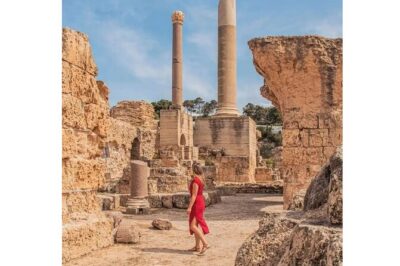
VIP Tour: Tunis Medina/Bardo, Sidi Bou Said, Carthage |PICKUP ALL
Read our review →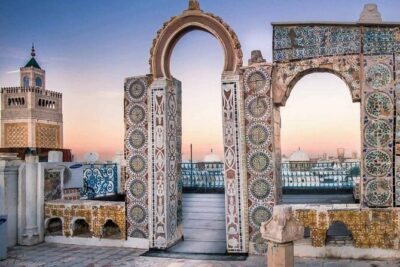
Private tour: Medina,Carthage ,Sidi Bou Said, Bardo Museum+lunch
Read our review →Private tour: Medina,Carthage ,Sidi Bou Said, Bardo Museum+lunch
Read our review →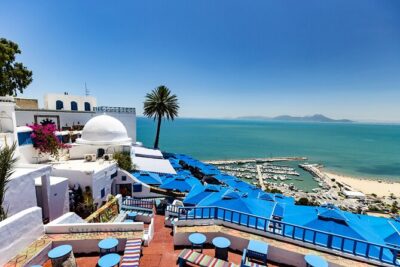
Carthage, Bardo Museum, Sidi Bou Said and Medina Private Day Tour
Read our review →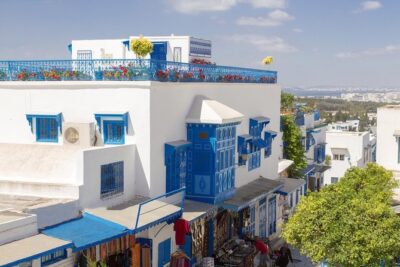
Carthage, Bardo Museum, Sidi Bou Said & Medina Group Tour
Read our review →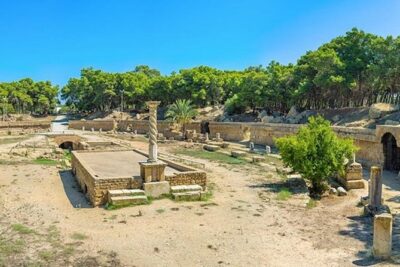
From Hammamet or Tunis: Carthage, Bardo, Sidi Bou said and Medina
Read our review →
Private Day Tour Tunis Medina Carthage Sidi Bou Said Bardo Museum
Read our review →Private tour: Medina,Carthage ,Sidi Bou Said, Bardo Museum+lunch
Read our review →Browse the lists this tour appears in