
Reviewed · DOUGGA AND BULLA REGIA
Bulla Regia and Beni Mtir Cascade Daytrip from Tunis
Ancient rooms hide below the ground. This full-day trip from Tunis pairs Bulla Regia’s remarkable Roman ruins with the cool mountain setting of Beni Mtir, giving you two very different views of northwestern Tunisia in one outing. You travel by private, air-conditioned vehicle with Wi-Fi, and the tour includes entry to the archaeological site.
I especially like the contrast between the two stops. Bulla Regia brings mosaics, baths, an amphitheater, and layers of Carthaginian, Roman, Numidian, and Byzantine history. Beni Mtir then slows the pace with a small village, Berber tribal heritage, tiled houses, and views over its dam. The main drawback is the long day, roughly seven to eight hours, with lunch not included in the price.
In This Review
- What makes this day trip worth considering
- From Tunis to the Medjerda Valley
- Bulla Regia and its buried Roman rooms
- Beni Mtir, a planned village above the dam
- Commentary, guides, and the value of a private vehicle
- Lunch and the real cost of the excursion
- Who will enjoy this outing most
- Weather, cancellation, and planning advice
- Should you book the Bulla Regia and Beni Mtir tour?
- FAQ
- How long does the Bulla Regia and Beni Mtir day trip last?
- Where does the tour start?
- Is this a private tour?
- What languages are available for the commentary?
- Is transportation included?
- Is admission to Bulla Regia included?
- Is lunch included?
- Can most people participate?
- What happens if I need to cancel?
What makes this day trip worth considering
- Bulla Regia’s underground houses offer a rare look at Roman domestic architecture and help explain why the site is more than a standard ruin field.
- The Medjerda Valley setting connects the ancient city to the fertile cereal plains that attracted successive powers.
- Beni Mtir’s 1948 village plan gives the mountain stop a distinct architectural character, with matching facades, tiled roofs, black shutters, and red frames.
- Private door-to-door transport means your group does not need to work around a large coach schedule.
- English, French, or German commentary makes the historical parts easier to follow.
- A $141.36 price per person can offer solid value for a private trip when the cost is shared by a small group, though lunch and personal expenses are extra.
From Tunis to the Medjerda Valley
The first part of your day is devoted to reaching Bulla Regia, north of Jendouba in the Medjerda Valley. The tour is designed as a private excursion from Tunis, so pickup is offered and the vehicle is air-conditioned, with Wi-Fi on board. Those details matter on a long road day. You can settle in without changing buses or worrying about public transport connections.
The tour lasts about seven to eight hours, but each main stop is scheduled for roughly two hours. That leaves a meaningful portion of the day for transfers between Tunis, Bulla Regia, and Beni Mtir. I would treat this as a road trip with two substantial visits, not as a quick city outing.
The Medjerda Valley is important to the story. Its cereal plains helped attract ancient civilizations, and Bulla Regia grew in this productive region. You get more from the ruins when you understand that this was not an isolated settlement. Its location helped make it desirable to Carthaginian, Numidian, Roman, and Byzantine powers.
Because the trip is private, you can expect the day to feel more personal than a standard group excursion. The available information does not promise a custom departure time or extended stops, so you should confirm those details before booking if your schedule is tight.
More Roman sites at Dougga and Bulla Regia:
- Private Excursion to Testour, Dougga and Bulla Regia from Tunis.
★ 5.0 · 100 reviews - Full Day Dougga & Bulla Regia Via Testour Private tour with Lunch
★ 5.0 · 29 reviews - Private Guided Tour of Dougga and Testour Mosque
★ 4.5 · 15 reviews
Bulla Regia and its buried Roman rooms
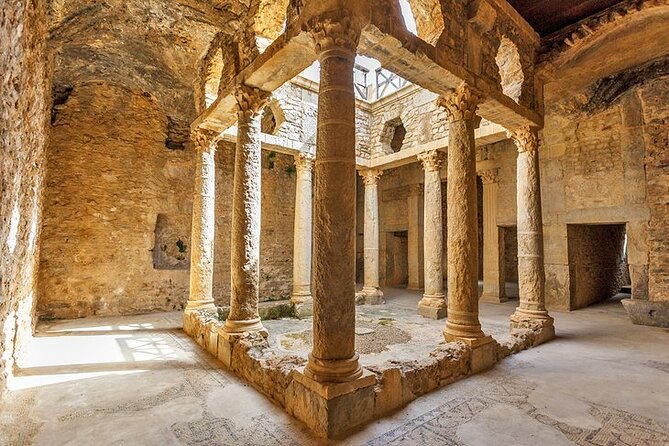
Bulla Regia is the main reason to choose this outing. The name means beautiful city, and the site carries evidence from several major periods in Tunisian history. It was created in the fourth century BC, later came under Roman control in 203 BC, and became the capital of the Numidians under Massinissa in 156 BC.
Those dates give the site real depth. You are not looking at a single Roman settlement that appeared fully formed. You are seeing a place shaped by Carthaginian, Numidian, Roman, and Byzantine rule, with each period adding to the remains.
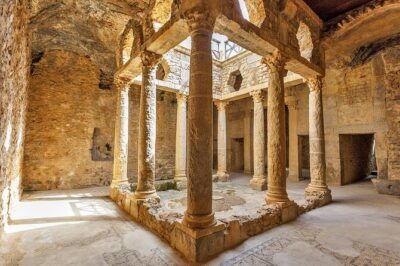
The site is particularly known for its houses built partly underground. These lower rooms helped make life more comfortable in a hot climate, and they create one of Bulla Regia’s most memorable features. Instead of viewing only freestanding columns and broken walls, you can look into rooms that still suggest how people arranged domestic space.
The mosaics are another major draw. They are among the most praised features of the visit, and they reward a slow look. Mosaics were not just decoration. They showed taste, wealth, religious ideas, and scenes from daily or mythological life. The tour’s historical commentary is important here because small patterns and worn images can be difficult to interpret without help.
You can also expect to see thermal baths and an amphitheater. These buildings show the public side of Roman life. The baths were places for washing and social contact, while the amphitheater points to organized entertainment and the civic life of a sizeable ancient town.
Allow about two hours at Bulla Regia. That is enough time to see the principal remains without turning the stop into a rushed photo session. If ancient architecture interests you, I would use the time to study the layout of the underground rooms rather than focusing only on the best-preserved mosaics.
The quality of the explanation can shape this stop. Strong guiding helps you picture the city in its working form, rather than seeing only scattered stones. English, French, and German commentary is available, so choose the language that lets you follow architectural and historical details most easily.
One practical point: the archaeological site admission is included. That keeps the advertised cost clearer and means you do not need to arrange entry separately. Wear sensible shoes and expect to spend much of the visit walking around uneven historic remains, although the provided information says most people can participate.
Beni Mtir, a planned village above the dam
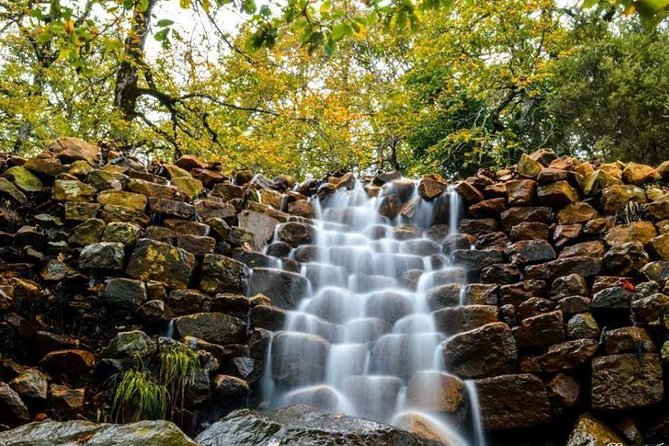
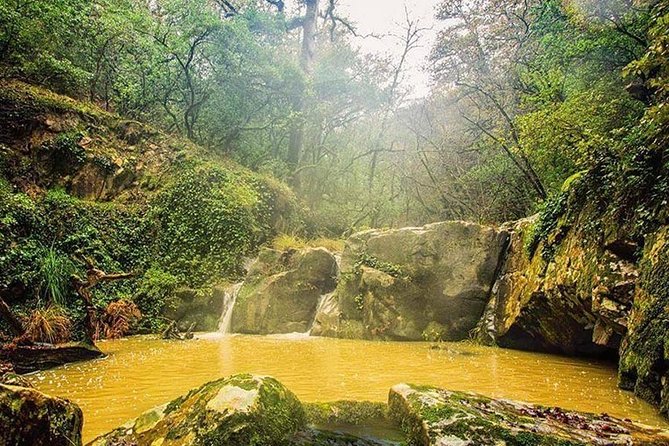
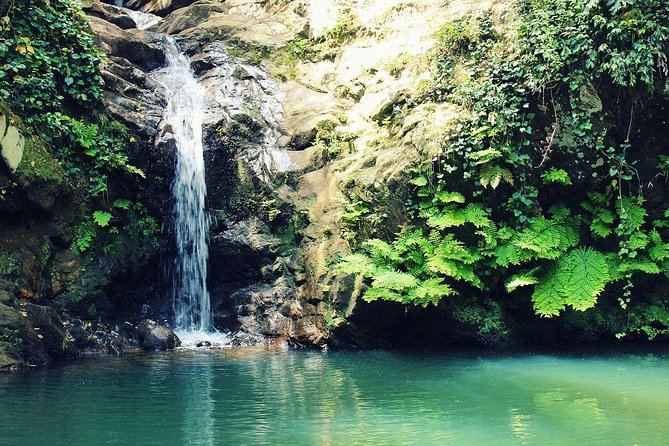
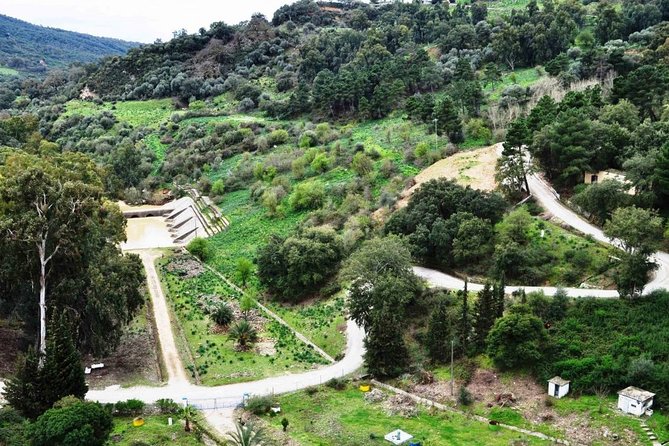
After the ancient city, Beni Mtir provides a sharp change of mood. The village lies in the Kroumirie mountain region, a few kilometers from Bulla Regia and Ain Draham. It is located in the territory of the Kroumir Berber tribes, giving the stop a cultural setting that differs from the Roman ruins.
Beni Mtir was built in 1948 for the engineers and workers who came to construct the Beni Mtir dam. The village still follows its original architectural character because of a municipal decree. You can expect tiled roofs, matching facades, black shutters, and red frames.
That visual order is part of the appeal. This is not an ancient site, but it has a clear story written into its buildings. The village reflects the practical needs of a major construction project and the local decision to preserve its original appearance.
The dam is the village’s namesake feature and the reason for its setting. The tour description presents Beni Mtir as a place that respects nature and climate, with the village overlooking the dam in the Kroumirie region. The information does not specify a boat ride, swimming, or a formal dam tour, so you should expect scenery and viewing rather than a water-based activity.
The stop is scheduled for about two hours, which gives you time to take in the village and its surroundings without competing with the much larger archaeological site. After several hours of ancient history, this quieter stop can make the day feel better balanced.
I would not choose this excursion only for Beni Mtir if your main interest is dramatic engineering access or a long mountain hike. The available details support a village and dam visit, not an extended outdoor program. Its value is in the change of setting, the planned architecture, and the link to Kroumir Berber territory.
Commentary, guides, and the value of a private vehicle
The guide is not simply there to point out ruins. At Bulla Regia, the best commentary should help you connect dates, buildings, and daily life. The tour is offered with English, French, or German commentary, which is useful at a site where the remains can otherwise feel scattered.
The strongest praise attached to this excursion focuses on the explanation of Bulla Regia. One assessment described the guide as giving enough detail to picture the city as it may have looked in the third century AD. That is exactly the kind of help you want here. The stones are impressive, but the story makes them readable.
Another positive note praised the guide leading the tour for being well informed about Tunisian culture. That wider cultural context should be especially useful at Beni Mtir, where the history is tied to Berber tribal territory, a mid-20th-century construction project, and local architectural rules.
The private format is one of the clearest advantages. Only your group participates, and transportation is private. You are not being moved between unrelated stops with a large crowd, and the guide can focus on your group’s language and questions.
The air-conditioned vehicle matters during a full day in Tunisia. Wi-Fi on board is a useful extra during the longer transfers, though the tour does not specify connection strength or coverage along the route. Pickup makes the day easier if you are staying in Tunis and want a door-to-door arrangement.
More things to do in Tunis:
- Private Tour to Kairouan, El Jem & Monastir from Tunis_hammamet
★ 5.0 · 301 reviews - Private tour: Medina,Carthage ,Sidi Bou Said, Bardo Museum+lunch
★ 5.0 · 230 reviews - Carthage, Bardo Museum, Sidi Bou Said and Medina Private Day Tour
★ 4.5 · 153 reviews - Guided Bike Tour of Carthage Archeological Site in Tunisia
★ 5.0 · 88 reviews
Lunch and the real cost of the excursion
The listed price is $141.36 per person. That includes private transportation, air conditioning, Wi-Fi, all fees and taxes, and admission to Bulla Regia. It does not include lunch.
For a solo visitor, that price may feel high compared with a basic shared excursion. For two or more people, the calculation improves because you are paying for a private vehicle and guide rather than only a seat on a coach. Group discounts are offered, so it is worth checking the final price for your party before deciding.
The included archaeological admission removes one common extra charge. You also avoid arranging transport to a remote site on your own, which can be worth paying for when your priority is a simple day from Tunis.
Lunch needs a little planning. Since it is not included, ask the provider how the midday meal is handled before departure. A previous tour experience included a well-received lunch with local guides, but the official inclusions do not guarantee that meal on every booking. I would not assume food is covered unless the provider confirms it.
Think of the price as paying for access to two quite different areas in one day, plus private transfers and interpretation. It is a better fit for people who value convenience and context than for budget visitors who want to reach only one nearby attraction.
Who will enjoy this outing most
I would recommend this trip to you if you want more than Tunis’s central sights and have one full day available. Bulla Regia is particularly suited to anyone interested in Roman architecture, ancient North Africa, mosaics, baths, and the way different powers shaped one settlement.
It also suits people who prefer a private outing. You get your own group, a dedicated vehicle, and a choice of commentary language. Families and mixed-interest groups may appreciate the two-part design, since the day is not made up entirely of ruins.
The tour can work well for visitors who want cultural variety without arranging several separate trips. Bulla Regia supplies the ancient history, while Beni Mtir offers a smaller mountain village and a 20th-century story.
I would hesitate if you dislike long vehicle transfers, want an intensive hiking day, or prefer to spend an entire day at one archaeological site. The total duration is seven to eight hours, and the two main stops each last about two hours. That is a reasonable balance, but it is not an unhurried exploration of every corner.
Most people can participate, and service animals are allowed. The experience is also near public transportation, although private pickup and transport are already part of the arrangement. If mobility is a concern, ask about the exact walking surfaces and vehicle setup before booking, since the general participation information does not describe site-by-site access.
Weather, cancellation, and planning advice
This experience requires good weather. If poor weather causes cancellation, you are offered another date or a full refund. You can also cancel for a full refund up to 24 hours before the start time.
The cutoff uses local Tunisian time. Changes or cancellations made less than 24 hours before departure are not accepted and are not refunded, so check your plans carefully once you are inside that final day.
I would keep the day flexible around the excursion. The duration is approximate, and road conditions or the pace of your group can affect the return time. Comfortable clothing, walking shoes, water, and a plan for lunch are sensible preparations, even though those items are not listed as tour inclusions.
Should you book the Bulla Regia and Beni Mtir tour?
Book it if you want a private, well-supported day from Tunis that combines major Roman remains with a quieter northwestern village. The best reason to go is Bulla Regia, especially its mosaics, underground houses, baths, and amphitheater. Beni Mtir adds welcome variety and a look at Kroumirie architecture and Berber cultural territory.
The $141.36 price makes the most sense when shared with others and when you value private transport, multilingual commentary, included site admission, and a door-to-door day. Just remember that lunch is extra and that the road time makes this a substantial outing.
Skip it if your priority is a short excursion, extensive hiking, or a fully self-guided budget visit. For everyone else, this is a strong choice for seeing a less familiar side of Tunisia, with enough historical explanation to turn ancient remains into a place you can picture.
FAQ
How long does the Bulla Regia and Beni Mtir day trip last?
The excursion lasts approximately seven to eight hours.
Where does the tour start?
The tour starts in Tunis and offers pickup.
Is this a private tour?
Yes. Only your group participates in the private tour or activity.
What languages are available for the commentary?
Commentary is available in English, French, or German.
Is transportation included?
Yes. The tour includes private transportation in an air-conditioned vehicle with Wi-Fi on board.
Is admission to Bulla Regia included?
Yes. Admission to the Bulla Regia archaeological site is included.
Is lunch included?
No. Lunch is not included in the tour price.
Can most people participate?
Yes. The additional information says most people can participate. Service animals are also allowed.
What happens if I need to cancel?
You can cancel at least 24 hours before the start time for a full refund. Cancellations or changes made less than 24 hours before the start time are not refunded. If poor weather cancels the experience, you will be offered another date or a full refund.
Just added in Tunis
- Private Arrival Transfer: Tunis Airport to Tunis Hotel★ 4.5 · 5 reviews
- Cap Bon Guided Day Tour from Tunis★ 5.0 · 2 reviews
- Unveiling the Beauty of Sidi Bou Said and Carthage Private Tour★ 5.0 · 2 reviews
- Dougga Guided Day Tour from Tunis★ 5.0 · 5 reviews
- Tunis Carthage Private Arrival Airport Transfer to Tunis★ 5.0 · 4 reviews
- Tunis Group Tour: Carthage, Sidi Bou Said, Bardo museum & Medina★ 5.0 · 5 reviews
- Bardo Museum- The ruins of Carthage- Village of Sidi Bou Said★ 5.0 · 4 reviews
- Kairouan-El Jem★ 4.5 · 2 reviews
Dougga and Bulla Regia, compared.
Private Excursion to Testour, Dougga and Bulla Regia from Tunis.
Read our review →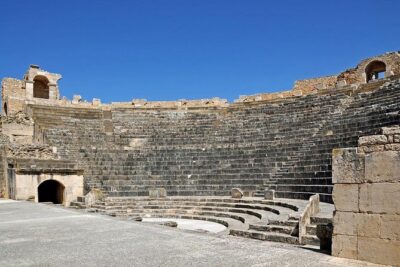
Full Day Dougga & Bulla Regia Via Testour Private tour with Lunch
Read our review →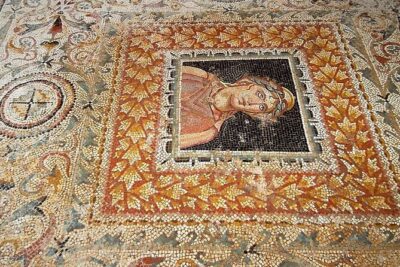
Private Day Trip to Testour, Dougga and Bulla Regia from Hammamet
Read our review →
Private Guided Tour of Dougga and Testour Mosque
Read our review →
DAY TRIP TO Dougga & Bulla Regia , DEPARTURE FROM Tunis
Read our review →Browse the lists this tour appears in