
Reviewed · TUNIS TOURS
Nabeul- Hammamet- Sousse
Ceramics, sea views, and three very different towns. This private day trip from Tunis brings together Nabeul’s famous pottery, Hammamet’s old fort and marina, and Sousse’s medina and beaches. I like the mix of craft, coastal history, and resort life, plus the air-conditioned vehicle and bottled water included in the price. The main drawback is the packed schedule: six to eight hours leaves limited time in each place.
You pay $128.86 per person, with pickup offered and only your group taking part. That makes the tour especially appealing if you want a private guide rather than a large coach outing. Just remember that lunch, dinner, coffee, and tea cost extra, and the route can feel hurried if you prefer long, unplanned stops.
In This Review
- Five things to know before booking
- Why this Tunis day trip works
- Nabeul, where pottery becomes part of the streetscape
- Hammamet’s old medina and the climb to the Ribat
- Sousse, with a medina, port, and long sandy beaches
- What the private vehicle adds
- Is $128.86 per person good value?
- Who will enjoy this route most?
- Practical ways to get more from the day
- Should you book Nabeul, Hammamet, and Sousse?
- FAQ
- Where does this tour begin?
- How long does the experience last?
- Is this a private tour?
- What is included in the price?
- Are meals included?
- What will I see in Nabeul?
- What happens in Hammamet?
- What can I see in Sousse?
- What is the cancellation policy?
Five things to know before booking
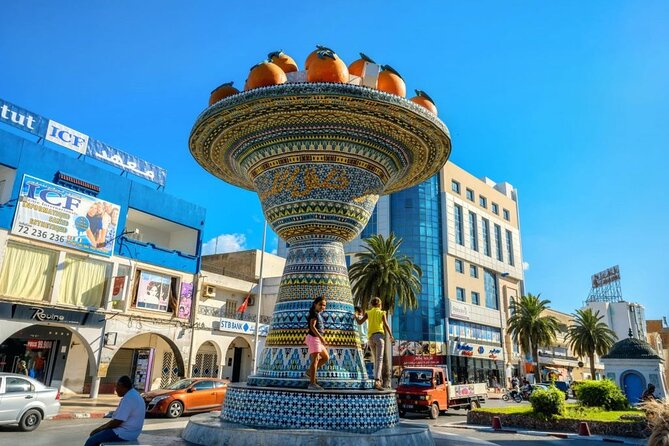
- Nabeul begins the day with a giant decorated jar, a playful symbol of the city’s long connection with ceramics.
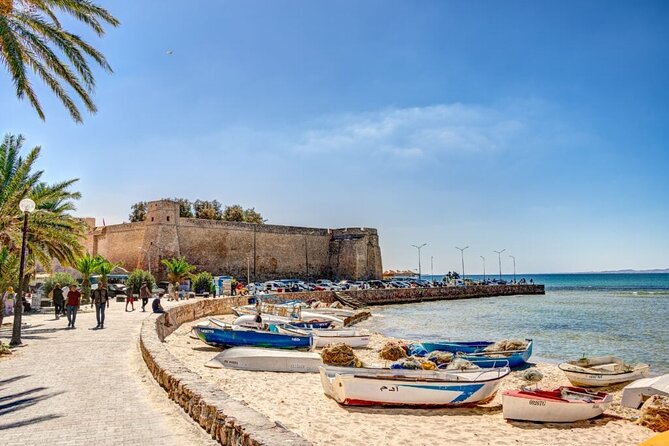
- Hammamet combines a walled medina, a historic fort, and Mediterranean views in one compact stop.
- Yasmine Hammamet adds a modern marina break, giving the day a change of pace after the old town.
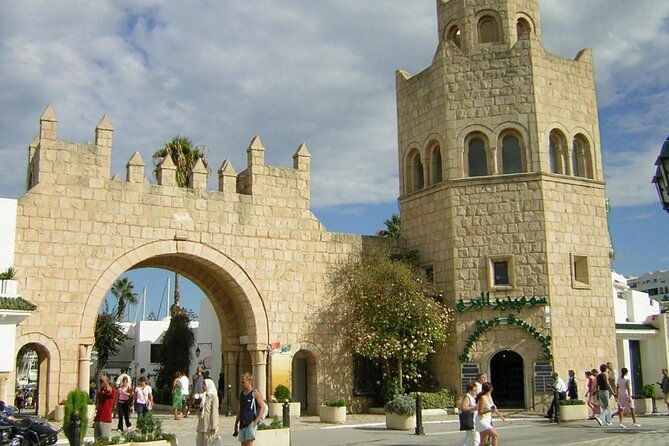
- Sousse brings together a beach resort, working port, ramparts, souks, and modern city streets.
- The tour is private, so your group can benefit from a more personal pace and direct contact with the guide.
- Chedli receives especially warm praise, with one detailed account highlighting his knowledge of local history and culture and his ability to adjust the outing to a visitor’s particular interests.
Why this Tunis day trip works
Many excursions from Tunis ask you to choose between ancient places, beach towns, or shopping centers. This one tries to give you all three in a single route. Nabeul is linked to ceramics, Hammamet offers a fortified old town beside the sea, and Sousse shows you one of Tunisia’s major coastal centers.
That variety is the strongest reason to book. You are not spending the whole day looking at similar monuments. Instead, the tour moves from local craft to medieval defenses, then to a large seaside city with beaches, souks, ports, and modern resort areas.
The private format matters. Only your group participates, so you are not tied to the rhythm of strangers. If your group wants more time in the medina, less time at the marina, or extra explanation about local customs, a private guide gives you a better chance of adjusting the day. The published details do not promise unlimited flexibility, so you should discuss priorities with the provider before departure.
The tour lasts about six to eight hours. That is a useful amount of time for a broad introduction, but it is not enough for a slow, scholarly look at all three towns. I would treat it as a sampler, one that helps you decide where you might want to return later.
More things to do in Tunis:
- Private Tour to Kairouan, El Jem & Monastir from Tunis_hammamet
★ 5.0 · 301 reviews - Private tour: Medina,Carthage ,Sidi Bou Said, Bardo Museum+lunch
★ 5.0 · 230 reviews - Carthage, Bardo Museum, Sidi Bou Said and Medina Private Day Tour
★ 4.5 · 153 reviews
Nabeul, where pottery becomes part of the streetscape
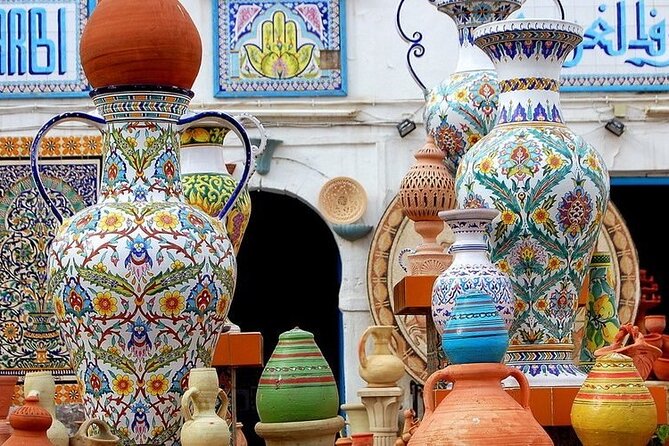
Nabeul opens the day with a clear visual theme: ceramics. Earthenware tiles appear on the facades of houses, shops, and public buildings, so pottery is not confined to a single workshop or museum. It forms part of the town’s everyday appearance.
The most memorable sight is a giant jar decorated with traditional designs and built around a tree in the city center. It is an easy landmark and a useful introduction to Nabeul’s identity. You do not need specialist knowledge of pottery to appreciate it. The scale and bright decorative work make the point quickly: this is a town proud of its craft.
The visit is scheduled for about three hours, the longest single stop on the route. That gives you room to look closely at the tiled buildings and get a broader feel for the city. Since admission is listed as free, there is no separate entry charge for the stop itself.
I like Nabeul as the first stop because it gives the day a local focus before the coastal fortifications and resort areas appear. You begin with something made by hand and seen in ordinary surroundings, not only with grand monuments.
The limitation is that the information provided does not specify a particular ceramics workshop, market, or shopping stop. If buying pottery matters to you, ask in advance what kind of time is planned for shopping. Otherwise, think of Nabeul mainly as a town visit and a chance to see its ceramic decoration.
Hammamet’s old medina and the climb to the Ribat
Hammamet shifts the mood from craft to defense. In the Middle Ages, it was a fortified village inhabited by ascetics who watched the coast and sounded an alarm when attacks threatened. That detail gives the old town a practical story: these walls were not simply decorative. They helped protect a small coastal community.
You will see the fort, which the Turks expanded in the 16th century during their conflict with the Spanish. The fort and the old medina offer the most historical part of the tour. Their value comes from the relationship between the narrow old-town setting, the defensive walls, and the sea beyond them.
The planned visit lasts about two hours. You can walk through the old medina and climb to the top of the Ribat for a view across the Mediterranean. The climb is an important part of the stop, not a minor extra. If you are comfortable walking and climbing, the view gives you a better sense of Hammamet’s position than a street-level visit alone.
I would wear practical shoes here. The tour information does not give details about the exact surfaces or number of steps, so you should expect a historic fort setting rather than a smooth modern attraction. Anyone who needs to avoid climbing should ask the provider about alternatives before booking.
Hammamet is also where the day turns toward contemporary tourism. You can visit Yasmine Hammamet and stop for coffee or another drink at its marina. This creates a useful contrast with the old medina. One part of Hammamet reflects a fortified coastal past, while the other is designed around modern leisure.
Coffee and tea are not included, and neither is dinner or lunch. The marina break is therefore best treated as an optional paid pause, not part of the tour price. The stop may suit you if you enjoy comparing old and new town planning. If your main goal is historical detail, make sure the medina and fort receive enough of your time before heading to Yasmine Hammamet.
Sousse, with a medina, port, and long sandy beaches
Sousse is the final major stop and the largest city on the route. It is described as the capital of the Tunisian Sahel, a pleasant Mediterranean city with an Arab-Muslim medina enclosed by ramparts, souks, a fishing and commercial port, modern neighborhoods, and a beach.
That combination makes Sousse different from Hammamet. Hammamet’s old center feels tied to a smaller fortified settlement, while Sousse presents a wider urban picture. You see a historic core, active port life, resort development, and broad beaches in the same city.
The visit is planned for about three hours. That is enough for an introduction to the city, but you will need to choose your priorities. The medina and souks are the logical choice if you want old streets and traditional commerce. The beach and port make more sense if you want to understand Sousse as a coastal resort and working town.
The city’s fine golden sand continues toward the famous Port El Kantaoui area. The information does not promise a separate stop at Port El Kantaoui, so do not assume you will have time to explore it at length. Ask the guide how much of Sousse and its nearby coast fits into your schedule on the day.
Sousse is a fitting final stop because it gives you the broadest view of modern Tunisia’s seaside life. It is not only a place for sun and hotels. Its walls, souks, port, and neighborhoods show how tourism sits beside older forms of city life.
The trade-off is energy. After Nabeul and Hammamet, three hours in Sousse may feel like a lot if you are mainly interested in small historic towns. If you enjoy variety, though, the city gives the excursion a strong finish.
A completely different kind of day:
- Private Excursion to Testour, Dougga and Bulla Regia from Tunis.
★ 5.0 · 100 reviews - Guided Bike Tour of Carthage Archeological Site in Tunisia
★ 5.0 · 88 reviews - Guided tour in the UNESCO world heritage Medina of Tunis
★ 5.0 · 68 reviews - Group Guided Bike Tour of Carthage Archeological Site in Tunisia
★ 5.0 · 57 reviews
What the private vehicle adds
An air-conditioned vehicle is included, along with pickup, bottled water, parking fees, and a professional guide. These details matter on a day that links three separate destinations. You can move between stops without arranging taxis or working out several public transport connections.
Air conditioning is especially useful for a route built around walking outdoors and moving between coastal towns. Bottled water is a small inclusion, but a sensible one. Parking fees are also covered, so you are less likely to face small transport charges during the day.
The private arrangement is the bigger benefit. Your group is the only group on the activity, which gives the outing a more personal feel. One particularly positive account names Chedli and praises his detailed understanding of the cities, their history, and local culture. It also notes that he adapted the day to very specific interests. If Chedli is assigned to your outing, tell him early what matters most to you. If another guide leads the trip, make the same request at the start.
Do not confuse private with completely unstructured. The experience still has three planned stops and a total duration of roughly six to eight hours. A private vehicle gives you room to discuss the balance, but it may not turn a day trip into a slow, full-day exploration of every town.
Is $128.86 per person good value?
The price is $128.86 per person. Value depends heavily on group size and what you would otherwise pay for transport, guiding, parking, and separate day trips.
For a private group, the price includes several useful basics: pickup, an air-conditioned vehicle, a professional guide, bottled water, and parking fees. You are also covering a wide route that would be difficult to organize as smoothly without private transport. If your group wants comfort and a guide’s interpretation, the cost is easier to justify.
The value is weaker if you are mainly seeking entrance tickets or a long meal. Admissions are listed as free for the stops, and lunch, dinner, coffee, and tea are not included. You should budget separately for food and any drinks during the day.
The average booking time is 93 days in advance. That suggests you should not leave planning until the last minute, particularly if you want a private outing on a specific date. Confirmation is received at booking, and the activity requires good weather.
Free cancellation is available until 24 hours before the start time. Cancelling later, or making changes within that final 24-hour period, does not qualify for a refund. If poor weather cancels the experience, you are offered another date or a full refund.
Who will enjoy this route most?
I would recommend this excursion to you if you want a broad first look at Tunisia’s northeastern and Sahel coast. It suits people who like history but do not want a full day of ruins, and it works well for a group that wants a private guide and vehicle.
It is also a good match for photographers and design lovers. Nabeul’s tiled facades and giant decorated jar provide a strong visual start, while Hammamet’s walls, medina, Ribat, and sea view add a different kind of setting.
Families and mixed-interest groups may appreciate the variety. One person can enjoy ceramics, another can focus on fortifications, and someone else can look forward to the marina and beaches. The private format makes that mix easier to manage.
I would be more cautious if you want a relaxed day with long meals and unplanned wandering. Three stops in six to eight hours require movement and decisions. The route is broad rather than slow.
You should also consider your comfort with walking and climbing. Hammamet includes a climb to the top of the Ribat, and the tour is built around moving through medinas, streets, and coastal areas. The activity says most people can participate, but it does not provide detailed accessibility information, so ask before booking if that is important for you.
Practical ways to get more from the day
Tell the guide your priorities at the beginning. The detailed account of Chedli’s guiding makes clear that personal interests can shape the day, and private tours are most useful when you speak up.
Keep lunch plans in mind. Food is not included, and the schedule already covers three places. Ask when and where a meal fits, rather than assuming the marina coffee stop will become a full dining break.
Use Nabeul for craft and city details, Hammamet for the medina, fort, Ribat, and sea view, and Sousse for the contrast between old walls, souks, port, beach, and modern neighborhoods. That simple division helps you remember what makes each stop different.
Carry water even though a bottle is provided. The route includes outdoor walking, and the exact weather can affect how comfortable the day feels. Since poor weather can cancel the activity, keep your schedule flexible enough to accept a new date if needed.
Finally, do not judge the day only by how many sights you tick off. Its real strength is the comparison between three coastal towns. Nabeul feels tied to a local craft, Hammamet connects defensive history with resort life, and Sousse shows a larger city where old and new continue side by side.
Should you book Nabeul, Hammamet, and Sousse?
Book it if you want a private, guided overview with comfortable transport and a strong mix of culture, history, and seaside scenery. The route is especially useful during a short stay in Tunis, when you want to see beyond the capital without arranging three separate outings.
The best reasons to choose it are the private format, the inclusion of transport and parking, and the variety of the stops. The main caution is pace. You will see a lot, but you will not have endless time in any one town.
If ceramics in Nabeul, the Ribat view in Hammamet, and Sousse’s medina all appeal to you, the $128.86 price can make sense for the convenience. Tell the guide what you care about, plan for meals separately, and book ahead if your dates are fixed.
FAQ
Where does this tour begin?
The tour is based in Tunis, and pickup is offered.
How long does the experience last?
The tour lasts approximately six to eight hours.
Is this a private tour?
Yes. Only your group participates in the activity.
What is included in the price?
A professional guide, an air-conditioned vehicle, bottled water, and parking fees are included.
Are meals included?
No. Lunch and dinner are not included, and coffee and tea are also extra.
What will I see in Nabeul?
You will see ceramic tiles on houses, shops, and public buildings, along with a giant traditionally decorated jar surrounding a tree in the city center.
What happens in Hammamet?
You will visit the old medina, see the fort, climb to the top of the Ribat for a Mediterranean view, and have the option to visit Yasmine Hammamet and its marina.
What can I see in Sousse?
Sousse includes an Arab-Muslim medina with ramparts and souks, a fishing and commercial port, modern seaside neighborhoods, beaches, and views toward the Port El Kantaoui area.
What is the cancellation policy?
You can cancel up to 24 hours before the start time for a full refund. Changes or cancellations made less than 24 hours before the start time are not accepted for a refund. If poor weather cancels the tour, you can choose another date or receive a full refund.
Just added in Tunis
- Private Arrival Transfer: Tunis Airport to Tunis Hotel★ 4.5 · 5 reviews
- Cap Bon Guided Day Tour from Tunis★ 5.0 · 2 reviews
- Unveiling the Beauty of Sidi Bou Said and Carthage Private Tour★ 5.0 · 2 reviews
- Dougga Guided Day Tour from Tunis★ 5.0 · 5 reviews
- Tunis Carthage Private Arrival Airport Transfer to Tunis★ 5.0 · 4 reviews
- Tunis Group Tour: Carthage, Sidi Bou Said, Bardo museum & Medina★ 5.0 · 5 reviews
- Bardo Museum- The ruins of Carthage- Village of Sidi Bou Said★ 5.0 · 4 reviews
- Kairouan-El Jem★ 4.5 · 2 reviews
Tunis Tours, compared.
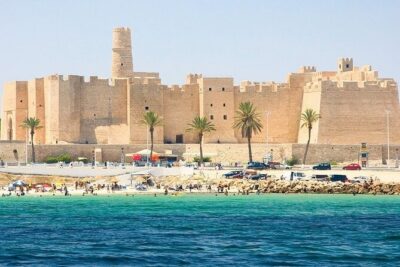
Private Tour to Kairouan, El Jem & Monastir from Tunis_hammamet
Read our review →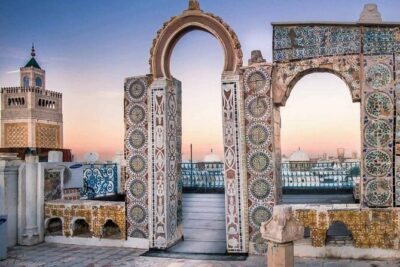
Private tour: Medina,Carthage ,Sidi Bou Said, Bardo Museum+lunch
Read our review →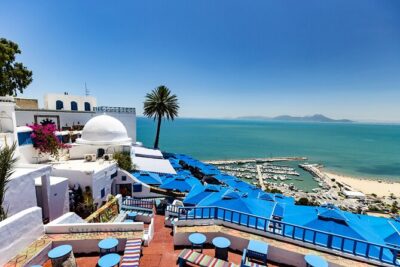
Carthage, Bardo Museum, Sidi Bou Said and Medina Private Day Tour
Read our review →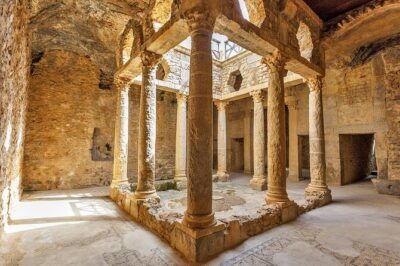
Private Excursion to Testour, Dougga and Bulla Regia from Tunis.
Read our review →
Guided Bike Tour of Carthage Archeological Site in Tunisia
Read our review →
Guided tour in the UNESCO world heritage Medina of Tunis
Read our review →
Archaelogical Site Of Carthage + Picturesque Village Of Sidi Bou Said
Read our review →
Browse the lists this tour appears in