
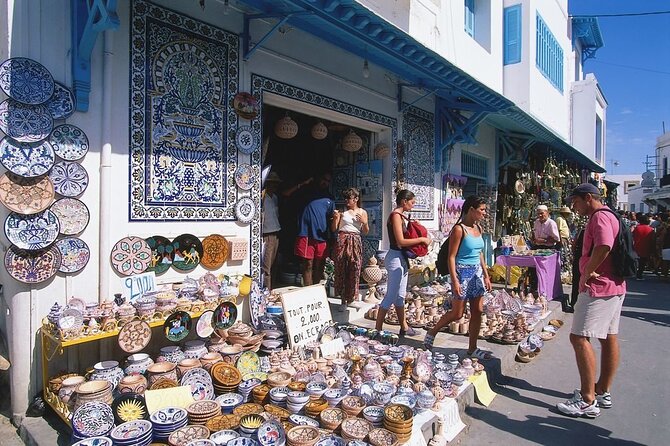
Reviewed · MEDINA TOURS
Tour to the Medina of Hammamet and the Spice Market of Nabeul
Come for the pottery, stay for the old streets. This four-hour outing links Nabeul’s crafts and food culture with Hammamet’s seafront medina, giving you two very different views of Tunisia in one morning. I especially like the chance to see pottery being made and the guide’s strong grasp of local history, architecture, and customs.
I also like the price: about $29.04 per person, including hotel pickup. That is fair value if your transport is reliable and you want an easy introduction to both towns. The main concern is organization. Pickup delays, long hotel rounds, multilingual commentary, and a spice-market stop that may be less substantial than expected can make the trip feel rushed or misleading.
The experience earns a mixed but generally favorable rating of 4 out of 5 from 45 ratings. The best outings seem to depend heavily on the guide. A friendly, well-informed guide can make the history and craft traditions come alive. A less involved guide may simply drop you off and wait in the vehicle.
In This Review
- Five things to know before you go
- Two Tunisian towns, one compact morning
- Hammamet Medina: sea views and old lanes
- Nabeul Market: daily life or a small spice stop?
- The pottery workshop is the practical highlight
- The guide can make or break the morning
- Timing, transport, and the real value of $29.04
- Who will enjoy this half-day outing?
- My verdict: book it with three questions first
- FAQ
- How long does the Hammamet and Nabeul tour last?
- What time does the tour start?
- Is hotel pickup available?
- Is the tour conducted in English?
- What places are visited?
- Can I cancel for a full refund?
Five things to know before you go
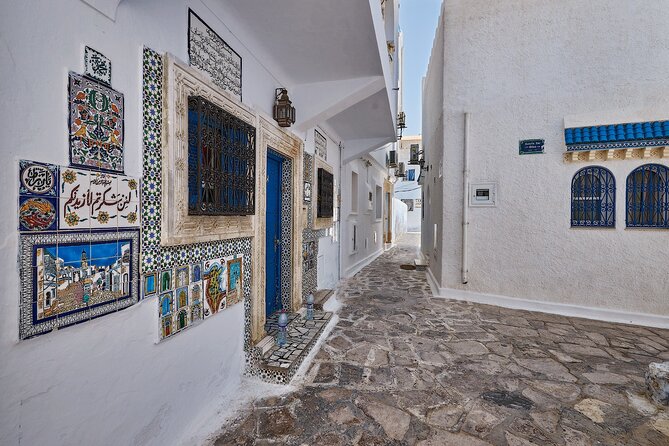
- Pottery is the strongest stop: You visit a working ceramics workshop in Nabeul and may buy pieces directly from the makers.
- Hammamet offers the best setting: The medina sits by the sea, with roof terraces, narrow lanes, souks, and an old fishing port.
- Pickup can take longer than expected: The planned start is 8:00 a.m., but hotel rounds have sometimes added much more time.
- The guide may be multilingual: English is available, though much of the group may speak French.
- The spice market needs clarification: Some departures appear to use a small spice shop or kiosk rather than a full market, so ask exactly what operates on your date.
Two Tunisian towns, one compact morning
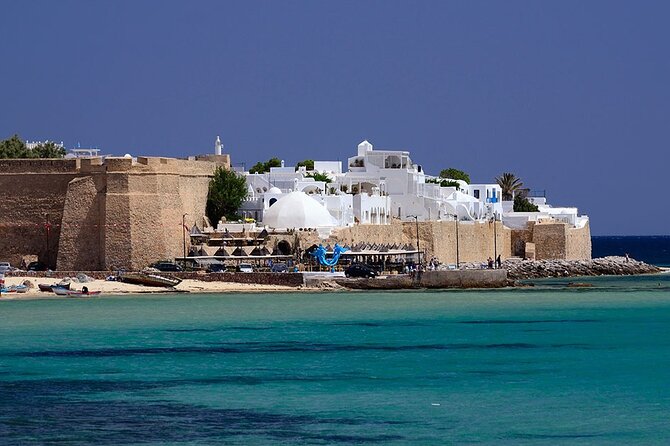
This tour works because Hammamet and Nabeul offer different experiences. Hammamet is the pretty coastal stop, with white buildings, sea views, old walls, and shop-lined lanes. Nabeul is more closely tied to everyday commerce, pottery, spices, harissa, and neroli water.
The tour is sold as roughly four hours, divided into about 90 minutes in Hammamet, 90 minutes at the Nabeul market, and one hour at the pottery workshop. In practice, you should keep more space in your day. One account recommends allowing six hours, mainly because the minibus may collect and return people to many hotels.
Pickup is offered, and confirmation arrives when you book. The listed start time is 8:00 a.m. Most people can take part, and the tour is near public transportation. The group can reach 50 people, though the actual feel will depend on the departure size and how many languages the guide must use.
The vehicle has been described as a clean small minibus with good air conditioning. That matters in Tunisia, especially on a sunny morning. Still, the early hotel circuit can be tedious. One pickup reportedly arrived at 9:15 a.m., while another group spent about 90 minutes collecting people from resort hotels. If you have a flight, lunch reservation, or another fixed plan, this is not the outing to squeeze into a narrow gap.
More Medina Tours in Hammamet:
- Private tour: Medina,Carthage ,Sidi Bou Said, Bardo Museum+lunch
★ 5.0 · 194 reviews - From Hammamet or Tunis: Carthage, Bardo, Sidi Bou said and Medina
★ 4.5 · 30 reviews - Private Excursion of Friguia Park and Medina of Hammamet
★ 4.5 · 4 reviews
Hammamet Medina: sea views and old lanes
The Hammamet section is the prettiest part of the day. The medina is built beside the water, and its roof terraces give you broad views over the coast. From above, the white buildings, blue water, old walls, and small fishing harbor create the postcard image that earned Hammamet its nickname, the Tunisian Saint-Tropez.
I would give this stop your full attention. The point is not simply to walk through a market. The guide is meant to explain the medina’s architecture, its hidden details, and the social habits connected to the old city. Narrow lanes can tell you how people moved through the town, where homes were arranged, and how public and private life once met.
The route also includes the souks and the old fishing port. You may find copperwork, leather, embroidery, and other Tunisian goods among the shops. The experience is more useful when the guide walks with you and explains what you are seeing. Some departures have offered a proper guided walk through less familiar corners, while others have left visitors to explore alone after a short explanation.
That difference is important. If you want a historical walking tour, ask at the start if the guide will accompany the group inside the medina. The strongest reports describe guides who answered questions, explained local culture, and showed less commercial lanes. The weaker ones describe a guide who stayed on the bus while the group wandered without much context.
The souks can also be tiring. Sellers may be persistent, particularly if you pause near pottery, spices, or souvenirs. That is part of the commercial life of the medina, but it can take the shine off the walk. Go in knowing that browsing may involve repeated sales pitches. A polite no and continued movement usually work better than a long explanation.
Nabeul Market: daily life or a small spice stop?
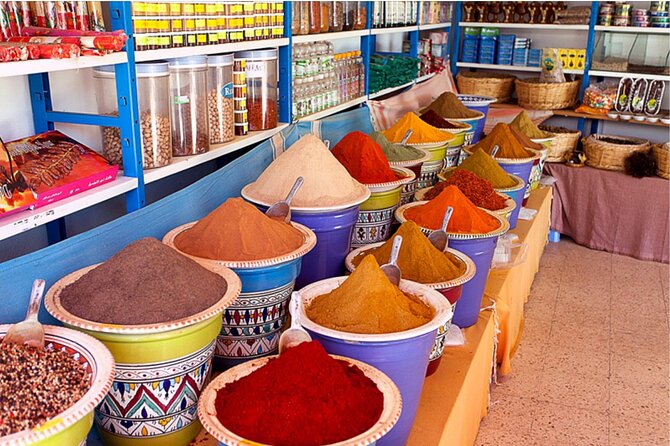
Nabeul is known as Tunisia’s pottery capital, but its food traditions are just as important. The market visit is intended to show you the everyday side of the town, rather than only a polished tourist display. The region is associated with harissa and neroli water, and the spice stop is meant to introduce you to local cooking smells, ingredients, and trade.
This is the part of the tour that needs the clearest expectations. The word market can suggest a large open-air market with many stalls and a strong local crowd. On some departures, the stop has felt more like a kiosk or a small shop selling spices and souvenirs, followed by free time. One account was not sure the advertised spice market had been visited at all.
There is also a possible scheduling issue. One detailed account says the larger spice market takes place on Friday, while the excursion appears to operate on another day. Because of that, ask Tekiki Tours what you will see on your chosen date. Find out whether the stop is a full market, a spice shop, or unstructured free time in Nabeul.
The difference affects value. A real market visit can give you a useful glimpse of local shopping and cooking habits. A short stop at a retail counter is still a chance to smell and buy Tunisian spices, but it is not the same cultural experience. You may also encounter firm sales tactics here, so do not feel obliged to purchase anything.
One positive point is that Nabeul gives the tour a more grounded counterpoint to Hammamet. The coastal medina is designed for wandering and views. Nabeul is where you can look at daily trade, local produce, food products, and household goods. Even a brief visit can be worthwhile if the guide explains what matters and where the products fit into Tunisian life.
The pottery workshop is the practical highlight
The ceramics workshop is the most dependable and distinctive part of the excursion. Nabeul has a long pottery tradition, and the visit lets you see the craft rather than only admire finished pieces in a shop.
You can expect a demonstration area followed by time to look at pottery and ceramics for sale. The workshop is connected with a family of potters whose craft has passed through generations. That family connection gives the stop more meaning than a standard souvenir shop, especially if the maker explains the process and answers questions.
The selection may include decorative pieces and useful household objects. Pottery can be a good Tunisian souvenir because it reflects a regional craft and is available directly from the source. Pack carefully if you buy something. The tour information does not promise shipping, protective packing, or help getting fragile items home, so ask the workshop staff before paying.
The visit lasts about an hour. That is enough time for a demonstration and browsing, but not enough for a long craft lesson. If pottery interests you, pay attention during the making process before shopping. You will get more from the stop by noticing the hands-on work, the shapes, and the difference between handmade pieces and mass-produced souvenirs.
There is one caution. Some people have felt that the pottery visit receives more attention than the spice market, raising concerns about commercial arrangements. I cannot establish what financial agreements exist, but the practical issue is clear: do not assume every stop is equal in length or depth. If you dislike shopping-focused tours, ask how much time is demonstration and how much is browsing.
More things to do in Hammamet:
- Quad ride on the hills of Hammamet
★ 4.0 · 104 reviews - 2-Day Tunisian Sahara Tour with Food & Stay from Hammamet
★ 4.5 · 80 reviews - Tunis, Sidi Bousaid and Carthage day trip from Hammamet
★ 4.5 · 44 reviews - Tunis Carthage airport transfer to Hammamet
★ 5.0 · 34 reviews
The guide can make or break the morning
The most praised part of this tour is the guide. Several experiences describe a friendly, informed guide who explained Tunisian culture, history, art, architecture, and the local economy. A multilingual guide has also translated into English for a group that was mostly French-speaking.
That language mix is worth considering before you book. Commentary may move between French and English, and perhaps another language. A good guide can keep everyone included, but explanations may take longer or feel less detailed in each language. If you need lengthy English commentary, confirm that English guidance will be available for your departure.
The best approach is to ask questions. Guides have been praised for explaining subjects beyond the obvious sights, from the design of the medina to Tunisian traditions and pottery. You may also receive advice on which shops or lanes to visit. A guide who knows the area can help you avoid spending the whole morning in the most commercial spots.
But the guiding standard is not consistent. Some departures have functioned more like transport between stops. The guide offered little explanation once the group arrived, and people explored the medina and workshop on their own. That may suit you if you want independent time. It is disappointing if you paid mainly for interpretation.
The tour’s group limit is 50 people. A large group can make narrow medina lanes awkward and can force the guide to repeat comments. It can also explain why some people feel hurried. If personal attention matters, ask if a private option is available. One French-language account specifically suggested a private tour for anyone wanting to avoid long hotel rounds and the stop-and-start pace of a shared minibus.
Timing, transport, and the real value of $29.04
At $29.04, this is a low-cost way to connect two nearby cultural stops without arranging your own car. The price is strongest if you are staying at a hotel served by pickup, want air conditioning, and value having a guide available for at least part of the day.
The price is less attractive if the day becomes mostly driving and waiting. A long loop through resort hotels can eat into the advertised four hours. Delays have ranged from routine extra stops to a reported cancellation after the vehicle developed a problem. In that case, the group waited outside the hotel for about 30 minutes before calling to learn the excursion had been canceled.
That cancellation appears to be an exception, but it shows why you should keep your morning flexible. The operator requires a minimum number of participants, and bad weather can also cancel the trip. If that happens, you are offered another date or a full refund. You can cancel for a full refund if you do so at least 24 hours before the local start time. Changes or cancellations inside that window are not accepted.
The practical value also depends on what is included. Hotel pickup is useful. Entry to the medinas, market, and workshop is listed as free, so you are not paying for a stack of admission tickets. Drinks were expected by some people but were not provided on every departure, despite tea or coffee being offered in advance. Bring your own water rather than counting on refreshments.
I would think of the tour as a convenient sampler, not a deep study of either town. You get transport, a taste of Hammamet, a pottery visit, and some contact with Nabeul’s food trade. You do not necessarily get a long guided walk, a full market day, or much time for slow photography and shopping.
Who will enjoy this half-day outing?
I would recommend it most to first-time visitors staying in Hammamet or nearby resort areas. It gives you a simple introduction to two local centers without the work of planning transport. Families can also find it manageable, and one family described it as an enjoyable half-day activity.
It suits you if you like a mix of history, shopping, food culture, and craft. The pottery workshop is especially good for anyone who wants a tangible connection to the region. The Hammamet medina is appealing if you prefer scenery and old streets over a museum interior.
It is less suitable if you want a quiet, carefully paced walking tour. The group may be large, the guide may divide attention between languages, and the schedule may shift with hotel pickups. It is also a poor match if your main goal is a major traditional market and the excursion runs on a day when the larger spice market is not operating.
Independent visitors can probably recreate parts of the outing with a taxi or private driver. The shared tour earns its keep through convenience and commentary, but only when the guide stays with the group. If you book, make that expectation clear at the beginning.
My verdict: book it with three questions first
I would book this tour if I wanted an affordable introduction to Hammamet and Nabeul, especially for the medina views and pottery workshop. The price is sensible, the route covers two useful stops, and a strong multilingual guide can add real context.
Before paying, I would ask three direct questions: Will the guide walk with the group in both towns? Is the Nabeul stop a full spice market or a shop? How long should I expect hotel pickup and return to take?
If the answers are clear, this can be a pleasant and useful half-day. If the spice market is your main reason for booking, confirm the operating day first. And if you have only four hours available, choose a private or simpler outing instead. This tour offers good value when you treat it as a flexible sampler, not a perfectly timed cultural expedition.
FAQ
How long does the Hammamet and Nabeul tour last?
The advertised duration is approximately four hours. Because of hotel pickups and drop-offs, you should allow extra time, with one account advising six hours in total.
What time does the tour start?
The listed start time is 8:00 a.m. Pickup times can vary, and one departure reportedly arrived later after collecting people from several hotels.
Is hotel pickup available?
Yes. Pickup is offered, and confirmation is provided when you book. The tour also operates near public transportation.
Is the tour conducted in English?
English guidance is available, but the group may be multilingual. One English-speaking family joined a group that was mostly French and received translations from the guide.
What places are visited?
The tour includes Hammamet’s medina, Nabeul’s market or spice stop, and a Nabeul pottery workshop. The Hammamet portion includes the souks and the old fishing port area.
Can I cancel for a full refund?
Yes, if you cancel at least 24 hours before the local start time. Cancellations or changes made less than 24 hours in advance are not refunded or accepted. If poor weather or insufficient bookings cancel the tour, you are offered another date or a full refund.
Just added in Hammamet
- Transfer from Airport Tunis Carthage To Hammamet★ 5.0 · 2 reviews
- From Hammamet: Sahara Desert Overnight Camping★ 4.5 · 2 reviews
- Private Guided Tour of Zaghouan, Thuburbo Majus and Dougga from Hammamet★ 5.0 · 1 review
- Private Transfer from Tunis Carthage Airport to Hammamet★ 5.0 · 2 reviews
- Executive: Transfer Tunis Airport to Hammamet by Mercedes E Class★ 5.0 · 4 reviews
- Private Excursion of Friguia Park and Medina of Hammamet★ 4.5 · 4 reviews
- Day Trip to Cap Bon★ 5.0 · 2 reviews
- Zaghouan, Thuburbo Majus and Dougga Private Self-Guided Excursion from Hammamet★ 5.0 · 2 reviews
Medina Tours, compared.
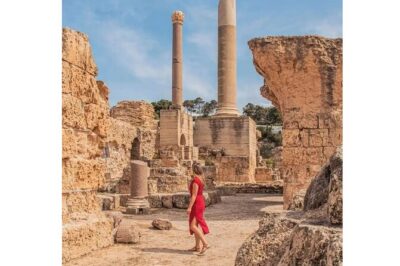
VIP Tour: Tunis Medina/Bardo, Sidi Bou Said, Carthage |PICKUP ALL
Read our review →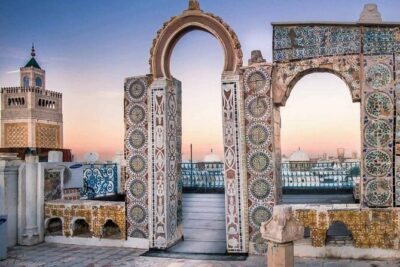
Private tour: Medina,Carthage ,Sidi Bou Said, Bardo Museum+lunch
Read our review →Private tour: Medina,Carthage ,Sidi Bou Said, Bardo Museum+lunch
Read our review →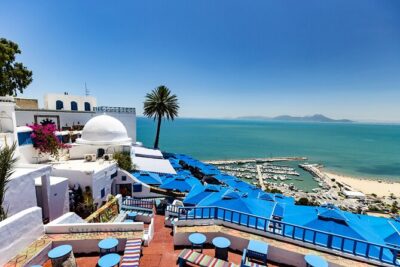
Carthage, Bardo Museum, Sidi Bou Said and Medina Private Day Tour
Read our review →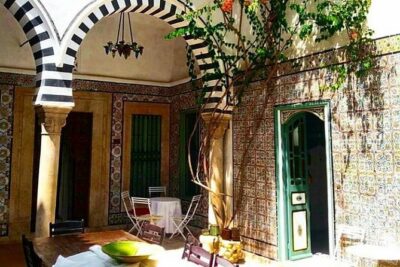
Guided tour in the UNESCO world heritage Medina of Tunis
Read our review →
Carthage, Bardo Museum, Sidi Bou Said & Medina Group Tour
Read our review →
From Hammamet or Tunis: Carthage, Bardo, Sidi Bou said and Medina
Read our review →
Private Day Tour Tunis Medina Carthage Sidi Bou Said Bardo Museum
Read our review →Browse the lists this tour appears in