
Reviewed · SELF-GUIDED TOURS
Cap-Bon Self-Guided Excursion from Hammamet
Cap Bon packs a lot into one long day. I like the private vehicle and the freedom to spend more time at places such as Kelibia Fort or Kerkouane, rather than being pushed through on a fixed group schedule. I also like the range: pottery, Punic ruins, a fishing port, Roman-era caves, and hot springs all fit into one outing. The main catch is that the listed price does not include a professional guide, and one account found the driver very quiet.
That missing guide matters here. The sites are spread across the peninsula, and several make more sense with context. You can arrange a guide for an added payment, as one group did, but confirm this before departure rather than assume it is included. At $257.80 for up to three people, the outing can be fair value for a small private group, especially since transport, fuel, and bottled water are covered.
In This Review
- Key points to know before you book
- Why this long day around Cap Bon is worthwhile
- Hammamet begins with culture, ruins, and the old medina
- Nabeul turns the morning toward pottery and souks
- Kelibia Fort gives the day its strongest viewpoint
- Kerkouane shows Punic city planning at its clearest
- El Haouaria and Ghar el Kebir reveal an unusual ancient quarry
- Korbous ends the route with very hot natural springs
- Private transport is the real convenience
- The guide question deserves attention before payment
- Is $257.80 a fair price for three people?
- Who will enjoy this Cap Bon day most?
- Booking details and cancellation advice
- Should you book this excursion?
- FAQ
- How long does the Cap Bon excursion last?
- What time does the tour start?
- Is transportation private?
- Is a professional guide included?
- Are entrance fees included?
- Is food provided?
- What is the cancellation policy?
Key points to know before you book
- A full Cap Bon circuit: Expect roughly 10 to 14 hours, with an 8:30 am start from Hammamet.
- Six varied stops: The day includes Hammamet, Nabeul, Kelibia, Kerkouane, El Haouaria, and Korbous.
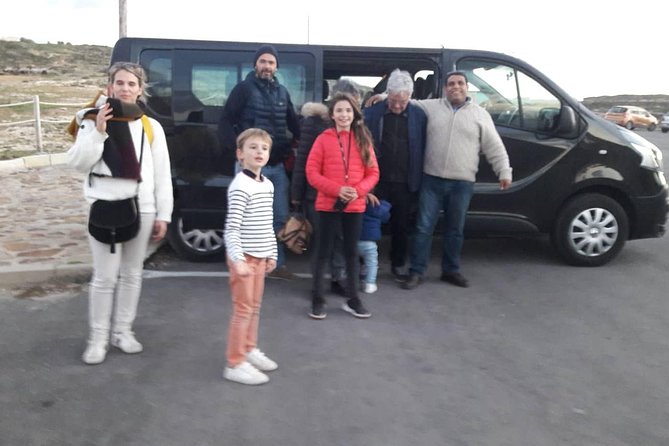
- Flexible private travel: Only your group takes part, so the pace can be easier to manage than on a large coach trip.
- Guide choice matters: A professional guide is not included, though extra help can be arranged.
- Entrance costs are extra: Admission to archaeological sites, museums, exhibitions, and other paid attractions is not covered.
- Hot springs finish: Korbous is the final stop, and the water may be extremely hot, with one account recording 59°C.
Why this long day around Cap Bon is worthwhile
Cap Bon is not a single-attraction outing. It is a broad look at northeastern Tunisia, where old Punic settlements sit near fishing towns, pottery workshops, Roman remains, and a spa town known since antiquity.
I like this sort of day because each stop changes the subject. You are not spending ten hours looking at similar ruins. Nabeul gives you local crafts, Kelibia brings a fortress and port, Kerkouane offers a major archaeological site, and Korbous changes the mood again with natural hot water.
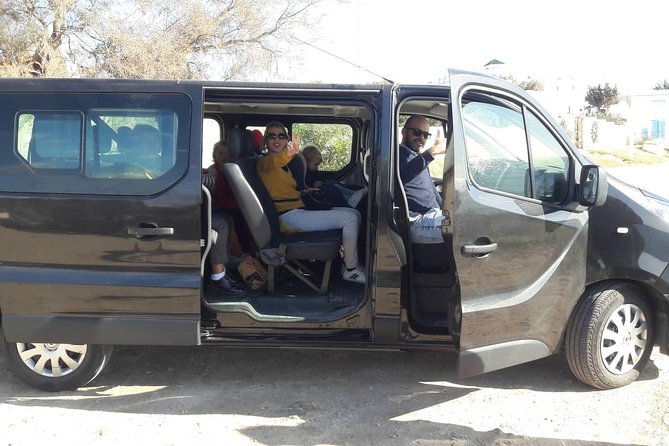
The private format is useful for a group of two or three. You have private transportation, an air-conditioned vehicle, fuel, and bottled water. That removes some of the strain from a long day in the heat. It also means you can discuss the order and length of stops with the driver or guide.
Still, this is an ambitious schedule. The listed stop times add up to eight hours, before driving, meals, traffic, and entry arrangements. In practice, you should expect a very full day. I would choose this trip for an active sightseeing day, not for a slow holiday morning.
More self-guided tours in Hammamet:
Hammamet begins with culture, ruins, and the old medina
The opening visit starts in Hammamet, known for jasmine flowers and orange trees. The first cultural stop is the villa of George Sebastian, a Romanian billionaire whose former home now houses the International Festival of Hammamet during the summer.
This is a useful first stop because it gives you a more modern cultural angle before the ancient sites begin. The villa also helps show how Hammamet developed as a place of leisure and art, not simply as a beach resort.
The route then turns to Pupput, a Punic archaeological site. The information provided does not promise a guided interpretation or a large museum display, so I would prepare to take your time with the remains and ask questions if a guide has joined your group.
The stop ends at the Medina of Hammamet and its fort, whose construction dates from 893 to 914. The old walls and fort give you a clear sense of the town’s defensive past. Allow about an hour for this part, with admission not included.
One practical point: the opening stop contains three distinct elements in a short time. If the medina or fort matters most to you, tell the driver early. A quiet driver may give you freedom, but not necessarily the background or direction you want.
Nabeul turns the morning toward pottery and souks
Nabeul is the second stop and usually gets about two hours. The town is associated with pottery and ceramics, and the visit begins at Neapolis, an ancient site linked to the Roman period.
The town’s modern craft tradition gives this stop a different feel from the ruins. In the medina, you can look through souks selling pottery, painted plates, and faience. This is one of the best places to leave the purely archaeological side of the day and see an everyday craft associated with the region.
I would save some attention for the market rather than treating it as a quick shopping break. Painted ceramics can be appealing, but personal expenses are not included, and the price of anything you buy is separate from the tour.
Two hours is a sensible amount of time if you want both Neapolis and the medina. It may feel short if you enjoy browsing every stall. Since the schedule continues to Kelibia and beyond, you will need to choose between a careful look and a quick survey.
Kelibia Fort gives the day its strongest viewpoint
Kelibia is known for its fishing port, its fort, and its local wine, including dry Muscat. The visit is scheduled for about an hour, and the fort is likely to be the focus.
This is one of the stops I would protect if time becomes tight. A fortress beside a working port gives you both history and a living coastal setting. You can look from the defensive structure toward the sea and then see the fishing town below, rather than visiting an isolated monument with no connection to local life.
The local wine reference is part of Kelibia’s identity, but do not assume tasting or a winery visit is included. The experience description names the wine as a feature of the city, not as a scheduled activity.
Admission is extra, and the hour may pass quickly. If you want photographs, time to examine the fort, and a pause near the port, tell your driver or guide. One account praised the freedom to spend the amount of time wanted at each site, but the schedule is still long, so flexibility has limits.
More things to do in Hammamet:
- Private tour: Medina,Carthage ,Sidi Bou Said, Bardo Museum+lunch
★ 5.0 · 194 reviews - Quad ride on the hills of Hammamet
★ 4.0 · 104 reviews - 2-Day Tunisian Sahara Tour with Food & Stay from Hammamet
★ 4.5 · 80 reviews - Tour to the Medina of Hammamet and the Spice Market of Nabeul
★ 4.0 · 45 reviews
Kerkouane shows Punic city planning at its clearest
The ancient site of Kerkouane receives about two hours, making it one of the more substantial stops. It includes a Punic city and necropolis and is listed as a UNESCO World Heritage Site.
For me, this is the historical center of the day. Kerkouane is valuable because it presents a Punic settlement rather than only later Roman or medieval remains. The site lets you focus on the organization of an ancient town and its burial area.
Do not expect the same shopping or café atmosphere found in Nabeul. This is a place for walking, looking closely, and trying to understand the remains. A guide would be especially useful here, since bare walls and foundations can be hard to read without explanation.
Two hours gives you room to move at a reasonable pace. It also makes this stop a good reason to book the private format if you have a strong interest in ancient Tunisia. Without a guide, bring your own background notes or arrange one in advance.
El Haouaria and Ghar el Kebir reveal an unusual ancient quarry
At El Haouaria, known here as the village of hawks, the tour visits Ghar el Kebir, a set of artificial caves. The caves were cut by prisoners or enslaved people under Carthaginian and later Roman authority.
This is a striking change from open archaeological sites. The caves show how stone was extracted and how labor shaped the ancient town. The stop lasts about an hour, so you get a focused look rather than a lengthy underground visit.
The label village of hawks adds local character, though no separate hawk encounter is promised. I would not book this outing expecting a wildlife presentation. The confirmed activity is the visit to the artificial caves.
The absence of a professional guide may be felt here. The physical remains are interesting, but the story of who cut the caves and why deserves explanation. If history is your main reason for going, confirm guide arrangements before setting out.
Korbous ends the route with very hot natural springs
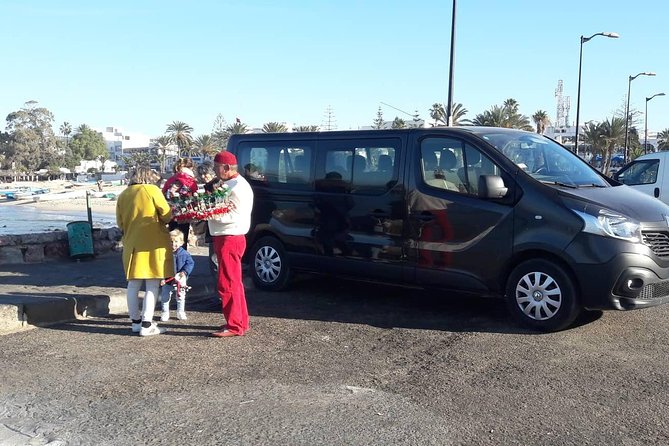
The final stop is Korbous, a spa town known since antiquity for natural hot springs. The visit is scheduled for about an hour.
This ending changes the pace after a day of forts and ruins. The springs are presented as having healing benefits, but you should treat that as a traditional spa claim rather than a medical promise. The experience does not state that bathing, treatment, or a spa session is included.
The water can be extremely hot. One account recorded a temperature of 59°C, so take care around the springs and do not assume every pool is suitable for entering. The heat may be especially intense in summer, when conditions can also be harsh. One outing took place with outdoor temperatures reported at 47°C.
Korbous works best as a short final stop where you see the spring area and enjoy the setting. If you hope for a long, relaxing soak, ask exactly what access is arranged. The supplied details confirm the natural hot springs, but not a paid spa treatment or bathing facility.
Private transport is the real convenience
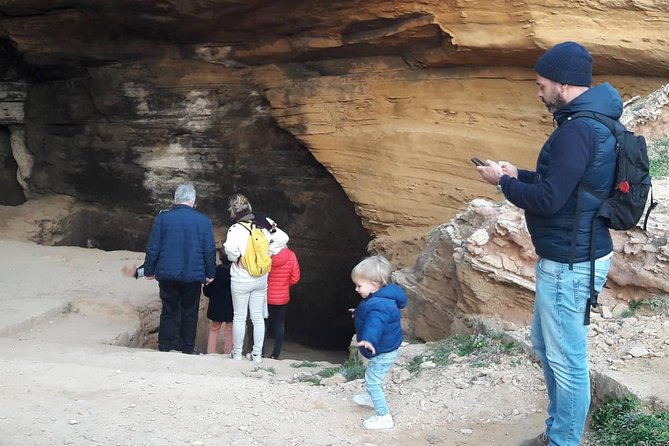
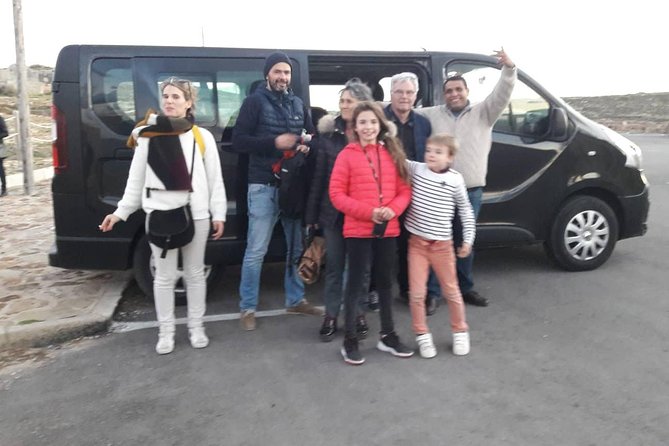
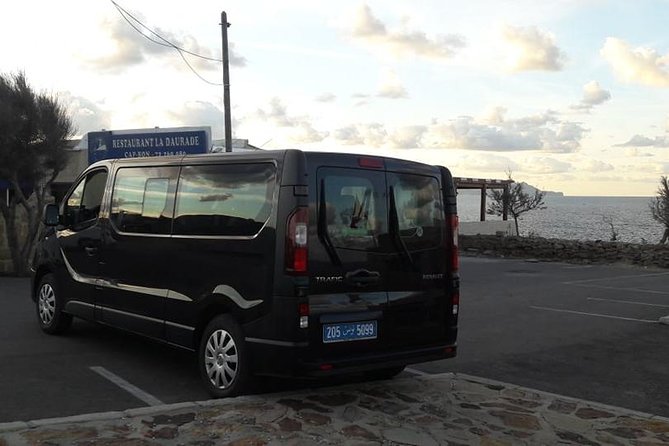
The tour uses private transportation in an air-conditioned vehicle. For a day of this length, that is not a minor benefit. Cap Bon involves many separate stops, and a cool vehicle gives you somewhere to recover between visits.
Bottled water and fuel are included. Meals are not, so plan for food during the day or ask the provider what arrangements are possible. The details do not name a restaurant or scheduled lunch stop, and I would not assume one.
The 8:30 am start is sensible. With six stops and a return to Hammamet, leaving early gives the route a better chance of fitting into the 10 to 14 hour estimate. Delays, long visits, or a leisurely market stop could push the day toward the longer end.
The private setup also gives you a chance to set priorities. One account described the driver as leaving the group free to decide how long to spend at sites. That is a strong advantage if you want more time at Kerkouane or Kelibia and less time shopping.
The guide question deserves attention before payment
The professional guide is not included. This is the biggest point to settle before booking.
One group initially booked without a guide, then arranged to pay the remaining amount in person for guide service. That group received an excellent, informative experience and felt the guide put its wishes first. This suggests the provider can help arrange extra guiding, but it does not mean the service is automatically part of every booking.
Another account described a very quiet driver who offered little information. The group still enjoyed the fort and hot springs, but had already studied the area beforehand. That is useful advice for you: if the booking remains driver-only, prepare some basic notes on Hammamet, Neapolis, Kelibia, Kerkouane, and Ghar el Kebir.
A guide is most useful at the archaeological locations. At the market, fort, and springs, you can gain something from simply looking around. At Pupput, Kerkouane, and the caves, interpretation can turn scattered remains into a clear story.
Is $257.80 a fair price for three people?
The stated price is $257.80 per group of up to three, not per person. If three people share it, the transport cost works out to about $85.93 each before optional guide fees, admissions, meals, and personal purchases.
That can be good value for a private day covering six parts of Cap Bon. You are paying for a long-distance vehicle, air conditioning, fuel, water, and the ability to travel with only your own group. A couple pays more per person, but still gains privacy and flexibility.
The price is less attractive if you expect a fully narrated tour with all admissions and lunch included. None of those are covered. You should add the likely entrance fees and decide whether you want a guide before comparing the cost with other excursions.
I would also consider the value of time. Reaching all these places independently could involve several transport arrangements and careful timing. The private vehicle removes much of that work. For three people who want a full survey of Cap Bon, that convenience may justify the cost.
Who will enjoy this Cap Bon day most?
I would recommend it to:
- Small groups who want a private vehicle rather than a coach.
- People interested in both ancient sites and modern town life.
- Visitors who want pottery shopping in Nabeul.
- Anyone keen to see Kelibia Fort and Kerkouane in the same day.
- Independent-minded people who are comfortable choosing their own pace.
- Those willing to prepare their own background information if no guide is added.
I would be cautious if you want a slow, restful outing, a guaranteed lunch, or a fully narrated experience included in the base price. The day is long, the schedule is packed, and the guide question is not settled by the standard booking.
Wear practical footwear for archaeological sites and carry water even though bottled water is supplied. Summer heat can be severe, especially at Korbous, so ask about the day’s conditions and take the springs seriously.
Booking details and cancellation advice
Pickup is offered, and the listed start time is 8:30 am. The activity is private, so only your group participates. Confirmation is received at booking, and service animals are allowed. The information also says most people can participate, but it does not provide detailed mobility guidance for each archaeological site.
Entrance tickets to museums, exhibitions, and other attractions are not included. Meals and personal expenses are also your responsibility.
Free cancellation is available if you cancel at least 24 hours before the local start time. Inside that 24-hour window, you receive no refund, and changes are not accepted.
Should you book this excursion?
Book it if you want a packed, private survey of Cap Bon and value transport flexibility more than a polished guided tour. The combination of Nabeul ceramics, Kelibia Fort, UNESCO-listed Kerkouane, the caves at El Haouaria, and Korbous hot springs gives the day real variety.
Before paying, ask two direct questions: Is a professional guide included in my exact booking, and what entrance fees or spa access should I expect to pay? If the answer confirms a guide at a price you accept, this becomes a stronger choice for history-minded visitors.
If you prefer a quiet driver and your own research, the base service can still work well. Just go in knowing that this is a long road day with optional extras, not an all-inclusive guided tour.
FAQ
How long does the Cap Bon excursion last?
The excursion lasts approximately 10 to 14 hours, depending on the day’s timing and the length of your visits.
What time does the tour start?
The listed start time is 8:30 am.
Is transportation private?
Yes. The tour provides private transportation in an air-conditioned vehicle, and only your group participates.
Is a professional guide included?
No. A professional guide is not included in the stated package. Additional guide service may be arranged separately.
Are entrance fees included?
No. Entrance fees to museums, exhibitions, and other attractions are not included.
Is food provided?
No. Meals are not included. Bottled water is provided.
What is the cancellation policy?
You can receive a full refund if you cancel at least 24 hours before the experience start time. Cancellations or changes made within 24 hours are not accepted for a refund.
Just added in Hammamet
- Transfer from Airport Tunis Carthage To Hammamet★ 5.0 · 2 reviews
- From Hammamet: Sahara Desert Overnight Camping★ 4.5 · 2 reviews
- Private Transfer from Tunis Carthage Airport to Hammamet★ 5.0 · 2 reviews
- Private Guided Tour of Zaghouan, Thuburbo Majus and Dougga from Hammamet★ 5.0 · 1 review
- Executive: Transfer Tunis Airport to Hammamet by Mercedes E Class★ 5.0 · 4 reviews
- Private Excursion of Friguia Park and Medina of Hammamet★ 4.5 · 4 reviews
- Day Trip to Cap Bon★ 5.0 · 2 reviews
- Zaghouan, Thuburbo Majus and Dougga Private Self-Guided Excursion from Hammamet★ 5.0 · 2 reviews
Self-Guided Tours, compared.
Self guided bike tour of Carthage archeological site
Read our review →
Kairouan, El Djem, Monastir Self-Guided Excursion from Hammamet
Read our review →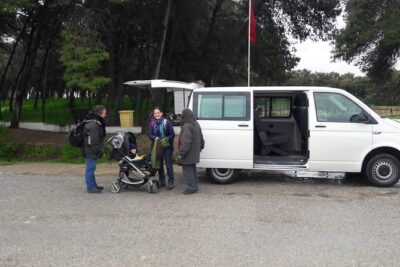
Tunis, Carthage and Sidi Bou Said Self-Guided Excursion from Hammamet
Read our review →
Zaghouan, Thuburbo Majus and Dougga Private Self-Guided Excursion from Hammamet
Read our review →
Zaghouan, Thuburbo Majus and Dougga Private Self-Guided Tour from Sousse
Read our review →Browse the lists this tour appears in