
Reviewed · KSAR GHILANE AND BERBER VILLAGES
Out of time Berber villages Tekrouna and Zriba Alia
Ancient hill villages reward the extra drive. This private outing from Hammamet pairs Zriba El Alia and Takrouna with sweeping views, a guide focused on your group, and the ease of an air-conditioned vehicle. I especially like the chance to see rural Berber villages instead of staying only on the coast, and the freedom of a private tour, where you can ask questions and set the pace more easily. You also get time in Hammamet’s old medina, adding a useful contrast between village life and the coastal city.
The main caution is that the tour can feel light on formal explanation at certain stops. One guest found the guide offered less cultural and historical background than expected, and the midday heat may make the exposed hill villages tiring. Bring water, wear shoes with a firm grip, and tell your guide early if you need shade or a slower walk.
In This Review
- Key points to know before booking
- Why these Berber villages are worth your time
- Zriba El Alia between the rocky peaks
- Jeradou and its four-way view
- Takrouna, a hilltop photo stop
- Hammamet Medina adds a coastal contrast
- What the private vehicle and guide add
- Is the $139.95 price good value?
- Who will enjoy this day most?
- Should you book the Zriba Alia and Takrouna tour?
- FAQ
- How long does the tour last?
- Where does the tour start?
- Is this a private tour?
- What is included in the price?
- Is lunch included?
- How long do you spend at each listed stop?
- Can I cancel for a full refund?
Key points to know before booking
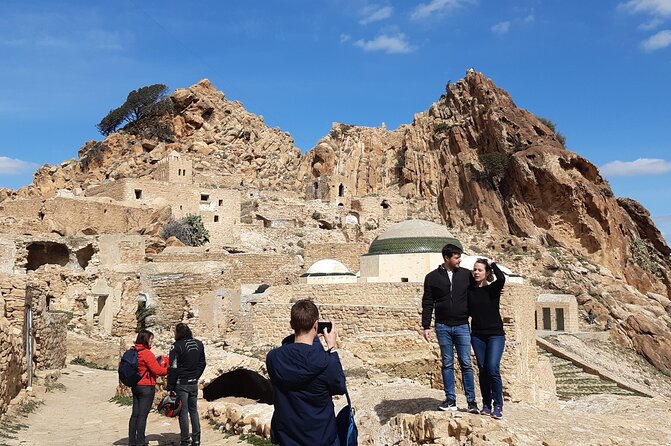
- Zriba El Alia sits between rocky peaks: The ruined Berber village offers one of the strongest views toward Jebel Zaghouan.
- Takrouna is mainly a short photo stop: You get about 15 minutes for panoramic views over the Gulf of Hammamet.
- Jeradou adds a wider rural outlook: From its rocky rise, you can see toward Hammamet, Hergla, Sousse, Jebel Zaghouan, and the Kairouan plain.
- The private format matters: Only your group takes part, so you get more direct attention than on a large coach tour.
- Lunch is not included: The price covers transport, taxes, WiFi, and the private service, but you need to budget separately for food.
- Guide quality can shape the day: Guides such as Ghassen, Kamel, and Ameur received especially warm praise for care, safety, and personal attention.
Why these Berber villages are worth your time
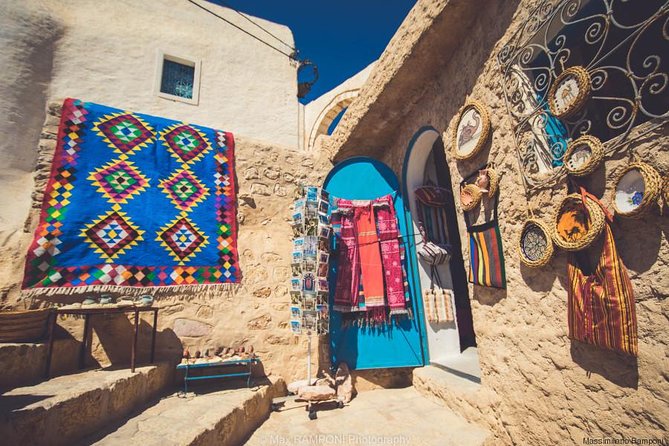
Hammamet is an easy place to enjoy beaches, restaurants, and a compact old town. It is less easy to reach Tunisia’s hill villages without a car, a good route plan, and some local knowledge. This is where the tour earns its keep. You leave the resort area and head toward old settlements built on rocky high ground, where the setting is part of the story.
The villages are not polished open-air museums. Zriba El Alia is described as being in ruins, and Takrouna is presented mainly as a hilltop viewpoint. That roughness is part of the appeal. You are seeing places shaped by difficult terrain and older patterns of settlement, not a rebuilt attraction designed for crowds.
I like this kind of day because the views and the human setting work together. You see how the villages sit above the surrounding plains, then hear about their Berber identity and local importance from your guide. Several people on the tour were warmly invited into local homes for food, though you should treat that as a possible personal encounter, not a guaranteed part of the schedule.
The private setup is another real advantage. You do not have to wait for a bus full of strangers or follow a fixed group conversation. If you want more detail about Amazigh culture, village life, or the geography around Jebel Zaghouan, ask directly. The best guide experience appears to come when the guide understands what you want and adjusts the day around it.
More ksour and Berber village trips:
- One night under the tent: Tataouine – Chenini – Ksar Ghilane – Matmata
★ 5.0 · 53 reviews - Private Day Trip Ksar Ghilane Oasis
★ 5.0 · 53 reviews - Door of the tunisian desert Ksar Ghilane and Matmata: Full one Day
★ 4.0 · 42 reviews
Zriba El Alia between the rocky peaks
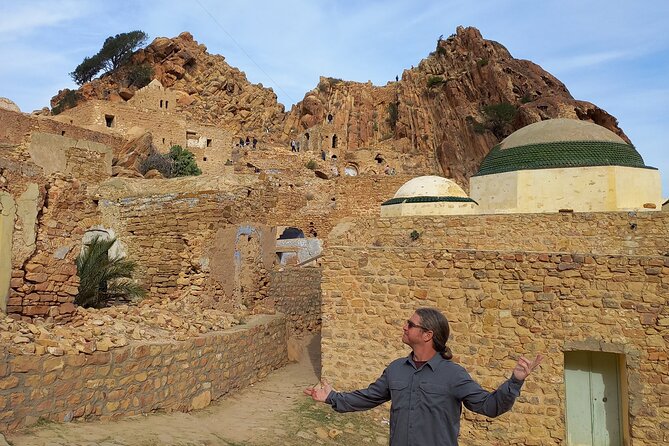
The first major stop is the old village of Zriba Olia, also called Upper Zriba or Zriba Alia. It lies about three kilometers south of Hammam Zriba, built between two rocky peaks. The settlement is now in ruins, but its position gives it a powerful presence.
The stop is listed at about two hours, which is generous compared with the brief visit to Takrouna. That extra time lets you look carefully at the village remains, take in the mountain setting, and listen to your guide without rushing from one viewpoint to the next. The nearby Mausoleum of Sidi Abdelkader is also identified with this stop.
The strongest reason to spend time here is the view toward Jebel Zaghouan. The mountain gives the visit a clear geographical anchor, and your guide can help connect the village to the surrounding area. I would use this as your main opportunity to ask about Berber origins, why the settlement was built in this position, and how people used the site over time.
The information supplied for the tour does not promise a preserved interior, a museum, or a formal exhibition. Set your expectations accordingly. You are coming for the old settlement, the atmosphere, and the setting, not a fully restored monument with signs at every turn.
The ground may be uneven, especially around old structures and rocky sections. The tour information says most people can participate, but comfortable shoes still make good sense. The height also means wind can be stronger than in Hammamet. That can be welcome in hot weather, but it may surprise you if you arrive dressed only for the beach.
Jeradou and its four-way view
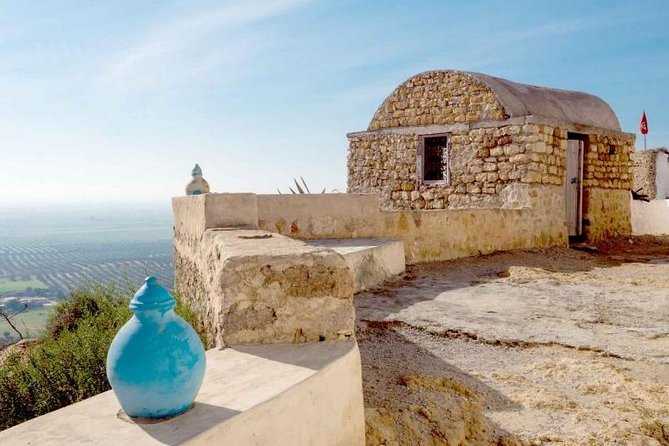
Jeradou gives the day a different kind of payoff. This small Berber village sits on a rock rising to about 200 meters above sea level, overlooking a broad plain. The listed stop lasts around one hour, enough time to see the village and appreciate the view without making it the entire day.
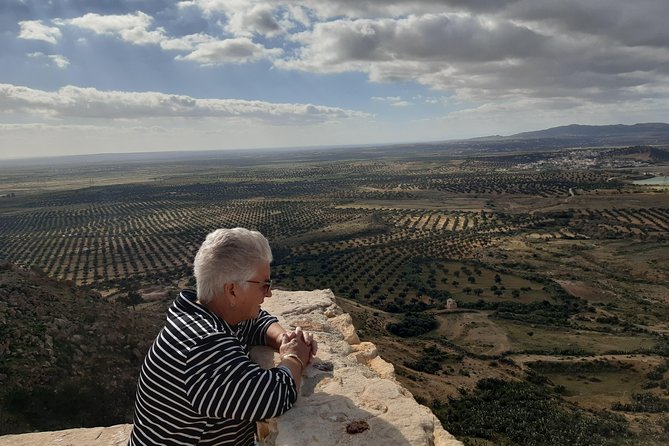
The position is the main attraction. Looking east, you may see toward the Gulf of Hammamet, Hergla, and Sousse. To the north is Jebel Zaghouan, while the plain of Kairouan lies to the south. This makes Jeradou useful for understanding the area as a whole. Instead of seeing one isolated village, you get a sense of how the coast, mountain, and inland plain relate to one another.
I would ask your guide to point out each direction. This simple request can turn a pretty view into a more meaningful stop. It also helps if you are interested in photography, since the broad outlook gives you several ways to frame the village and the surrounding countryside.
The drawback is that the tour description provides only a short cultural outline for Jeradou. Your experience here will depend heavily on the guide’s explanation. One guest felt the trip needed more background about culture and history, so do not be shy about asking questions. A private tour gives you the right setting to do that.
Takrouna, a hilltop photo stop
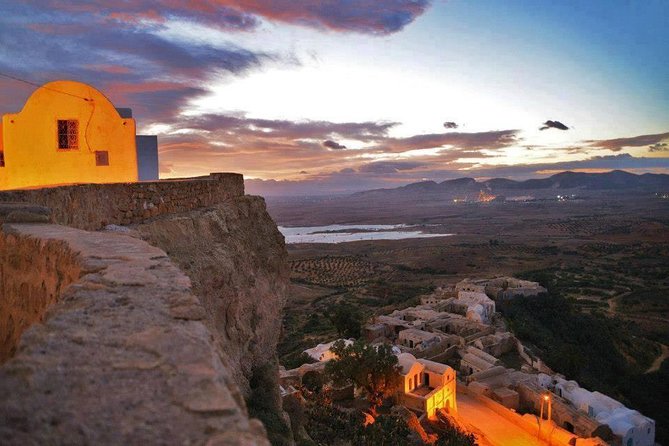
Takrouna is the most dramatic stop in appearance, but it receives the least time. The village is perched on a hill overlooking the Gulf of Hammamet and once served as a control point for Hammamet Bay. The scheduled visit is about 15 minutes, focused on photographs and panoramic views.
That short timing tells you how to approach it. Takrouna is not a long village walk or a full guided visit in this program. It is a quick stop to step out, take in the height, and photograph the hilltop setting. If you want to explore at length, ask before booking if the schedule can be adjusted, but do not assume it can be.
The views are the reason to keep it on the route. From the hill, the Gulf of Hammamet opens out below, and the village’s position helps explain its former role as a lookout and control point. Even a short stop can feel worthwhile when the view is the main event.
Wind and sun may be stronger up here. The French-language experience of one guest specifically notes that the villages can be windier because of their height, while also saying the climb is worth it. Bring a hat that will stay on, and keep your phone or camera secure.
More things to do in Tunis:
- Private Tour to Kairouan, El Jem & Monastir from Tunis_hammamet
★ 5.0 · 301 reviews - Private tour: Medina,Carthage ,Sidi Bou Said, Bardo Museum+lunch
★ 5.0 · 230 reviews - Carthage, Bardo Museum, Sidi Bou Said and Medina Private Day Tour
★ 4.5 · 153 reviews - Private Excursion to Testour, Dougga and Bulla Regia from Tunis.
★ 5.0 · 100 reviews
Hammamet Medina adds a coastal contrast
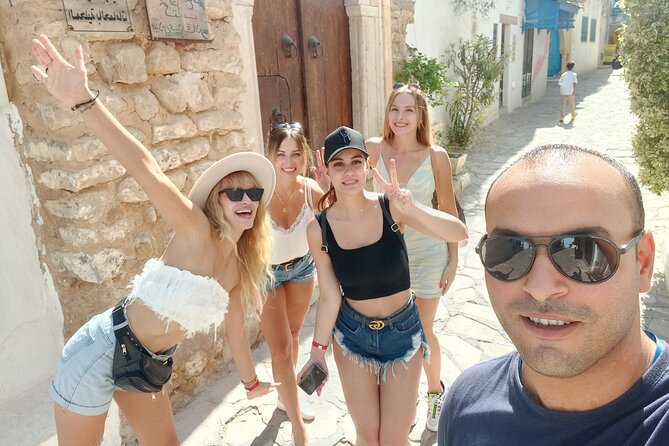
The Medina of Hammamet gives the day a change of pace. After the hill villages, you return to a compact urban setting by the sea, enclosed by walls and reinforced by the Kasbah. The old city has three entrances and occupies the southern tip of Hammamet.
The stop lasts about one hour and includes admission. Its value is not just visual. The layout reflects an Arab-Muslim urban pattern, with a walled enclosure, gates, and a strategic seaside position. Your guide can help you read the structure of the old city instead of treating it as a collection of narrow lanes and photo spots.
This is also the most convenient place to compare two kinds of settlement. Zriba Alia, Jeradou, and Takrouna use high ground and rocky positions. Hammamet’s medina uses walls, gates, and the sea. Seeing them in one day gives the route a useful shape, from remote hill communities to an older coastal city.
The listed time is one hour, so expect an introduction rather than a full historical course. If shopping is your priority, the schedule may feel short. If you mainly want to understand the city’s old core and see the Kasbah walls, the time should provide a good taste.
What the private vehicle and guide add
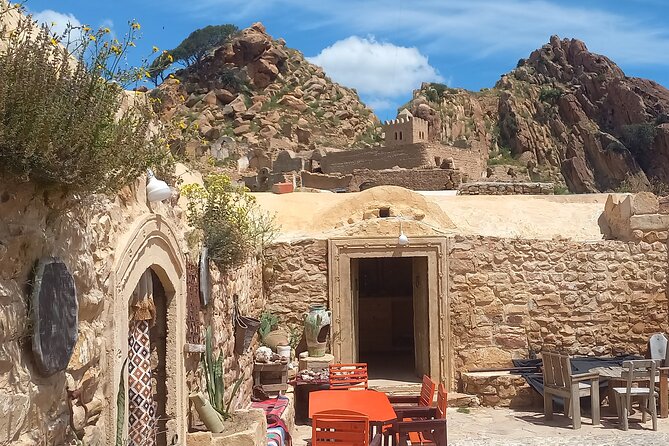
The tour includes private transportation in an air-conditioned vehicle, all fees and taxes, and WiFi on board. Pickup is offered, and the experience is designed for only your group. Those details matter on a route that lasts roughly six to eight hours and links several places outside Hammamet.
You can sit back during the drive instead of working out the route or negotiating local transport. That is especially useful if you want to watch the countryside, rest between hill stops, or keep your attention on the guide’s explanation. Air conditioning is a practical benefit, though one guest still felt hot and irritable during the day. Tell the driver if the cabin is uncomfortable rather than waiting until the next stop.
Guide performance appears to be one of the strongest parts of the experience. Ghassen received particular praise for listening closely, shaping the visit around a solo guest’s interests, and creating a safe, respectful atmosphere. Kamel and Ameur were also singled out as an excellent guide and driver pair. Other comments praise prompt pickup, professional driving, and the absence of pressure to buy extras.
That last point matters. A private tour can sometimes turn into a sales exercise, but the information provided specifically points to a relaxed experience with no effort to upsell. You still need to communicate clearly. If cultural detail matters more to you than extra photo stops, say so at the start.
Is the $139.95 price good value?
At $139.95 per person, the tour is not the cheapest way to spend a day around Hammamet. Its value depends on how many people are in your group and how much you value private transport and personal guidance. For one person or a couple, the cost is a noticeable expense. For a small group, the private format and shared vehicle can make the price easier to justify.
You are paying for more than admission. The price includes transportation, the driver-guide service, taxes, and WiFi. It also saves you the time and trouble of planning a route through several hill villages. Admission is free at the main village stops, while entry to the Hammamet medina is included.
Lunch is not covered. Plan for that separately, and confirm with the operator how the day’s meal timing works. The supplied details do not name a restaurant or promise a home meal. Local hospitality may occur, but it should not be the reason you book.
The strongest value comes if you want a private day outside the resort zone and do not want to drive. If you only want a quick photograph of Takrouna, the price will feel high because that stop lasts about 15 minutes. If you want the full route, the guide’s context, and the convenience of door-to-door transport, the cost is more reasonable.
Who will enjoy this day most?
I would recommend the experience to you if you want rural scenery, old Berber villages, and a guide who can adjust the conversation to your interests. It suits first-time visitors to Tunisia who want more than beaches and resort streets, especially if you are staying in Hammamet and have one full day available.
It also suits solo visitors. The private structure means you are not placed with strangers, and the strong praise for respectful, safety-conscious guiding is reassuring. Families and small groups may appreciate the ability to move at their own pace, though everyone should be ready for sun, wind, and uneven ground.
This is less suited to you if you need a highly structured archaeological tour with extensive signage and long guided visits at every site. It may also disappoint if you expect Takrouna to be a major walking stop. The schedule gives that village only a short photo break.
The tour is often booked about 35 days ahead, so reserve early if your dates are fixed. Confirmation comes when you book, and free cancellation is available up to 24 hours before the start time. Service animals are allowed, and the experience is listed near public transportation, but the tour itself includes private transport.
Should you book the Zriba Alia and Takrouna tour?
Book it if you want to trade Hammamet’s easy coastal routine for old hill villages, wide views, and a day with a private guide. Zriba El Alia is the heart of the outing, while Jeradou adds the broadest regional view and Hammamet’s medina gives the route a solid urban finish.
Go in with realistic expectations. The villages are partly ruined, the explanations may vary by guide, lunch costs extra, and Takrouna is a very short stop. Ask for more cultural background, carry water, wear sturdy shoes, and tell the guide what you care about.
For a small group that values comfort and local context, this is a strong choice. If you are counting every dollar or want only a quick sightseeing loop, you may find the price harder to defend.
FAQ
How long does the tour last?
The experience lasts approximately six to eight hours.
Where does the tour start?
The tour is offered from Hammamet, with pickup available.
Is this a private tour?
Yes. Only your group participates in the private tour or activity.
What is included in the price?
The price includes an air-conditioned vehicle, private transportation, all fees and taxes, and WiFi on board.
Is lunch included?
No. Lunch is not included in the tour price.
How long do you spend at each listed stop?
The schedule allows about two hours at Zriba El Alia, one hour at Jeradou, one hour at the Medina of Yasmine Hammamet, and 15 minutes at Takrouna.
Can I cancel for a full refund?
Yes, if you cancel at least 24 hours before the experience start time. Cancellations made less than 24 hours before the start time are not refunded, and changes within that period are not accepted.
Just added in Tunis
- Private Arrival Transfer: Tunis Airport to Tunis Hotel★ 4.5 · 5 reviews
- Cap Bon Guided Day Tour from Tunis★ 5.0 · 2 reviews
- Dougga Guided Day Tour from Tunis★ 5.0 · 5 reviews
- Unveiling the Beauty of Sidi Bou Said and Carthage Private Tour★ 5.0 · 2 reviews
- Tunis Carthage Private Arrival Airport Transfer to Tunis★ 5.0 · 4 reviews
- Tunis Group Tour: Carthage, Sidi Bou Said, Bardo museum & Medina★ 5.0 · 5 reviews
- Bardo Museum , Oudhna and the roman aqueduct★ 5.0 · 4 reviews
- Bardo Museum- The ruins of Carthage- Village of Sidi Bou Said★ 5.0 · 4 reviews
Ksar Ghilane and Berber Villages, compared.
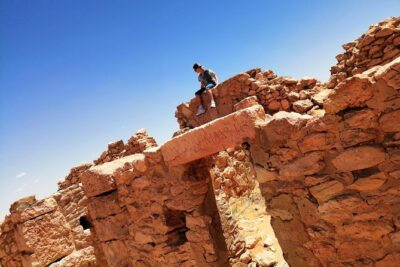
One night under the tent: Tataouine – Chenini – Ksar Ghilane – Matmata
Read our review →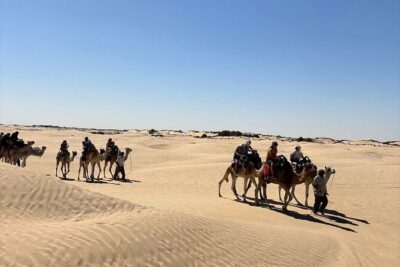
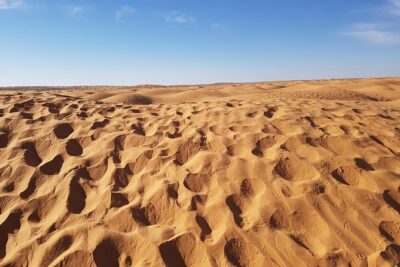
Door of the tunisian desert Ksar Ghilane and Matmata: Full one Day
Read our review →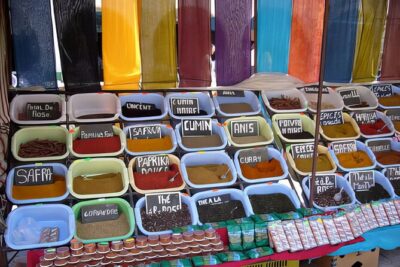
Ksar Ghilane 1 day: The hot spring and the homestay
Read our review →
2 Days Private Tour to Ksar Ghilane: Night in Tent
Read our review →
Tataouine – Chenini 1 day: Discovery of Ksours and Berber villages
Read our review →Browse the lists this tour appears in