
Reviewed · SAHARA DESERT EXCURSIONS
The Tunisian South between Oasis and Mountain: 3 Days / 2 Nights Douz and Tozeur
The Sahara begins with more than sand. This three-day private circuit links Tunisia’s grand religious monuments, palm-filled oases, mountain canyons, salt flats, Berber homes, Roman ruins, and desert film sets in one fast-moving trip from Tunis. You travel in an air-conditioned vehicle with your own guide and driver, sleeping two nights on the road and covering a remarkable amount of southern Tunisia.
I especially like the private format, since your group can travel at its own pace and ask for more explanation at the places that interest you most. I also like the variety: Kairouan and El Jem supply major cultural sites, while Tozeur, Chebika, Chott El Jerid, Douz, and Matmata bring very different desert settings.
The main drawback is the schedule. Days begin around 7 a.m. and can run until 5 or 6 p.m., with long road sections between stops. The route is rewarding, but this is not a slow retreat. You need to be comfortable with early starts, frequent stops, and plenty of time in the vehicle.
In This Review
- Key Points Before You Book
- Why This Route Works in Only Three Days
- Kairouan: Tunisia’s First Major Stop
- Tozeur and the Palm Grove
- Chebika and Tamerza: The Mountain Oasis Day
- Salt, Film Sets, and Nefta
- Douz and Your First Sahara Sunset
- Matmata’s Underground Homes
- El Jem: A Roman Finale
- What the $638.80 Price Includes
- Who Will Enjoy This Tour Most
- Should You Book It?
- FAQ
- Where does the tour start?
- Is this a private tour?
- What meals are included?
- Are camel rides and quad biking included?
- How long is the tour?
- What happens if bad weather cancels the tour?
Key Points Before You Book
- Kairouan opens the trip with major Islamic architecture, including the Great Mosque, one of North Africa’s most important religious monuments.
- Tozeur combines palm groves, date farming, brick architecture, and unusual attractions such as the Chak Wak culture and entertainment park.
- The mountain oasis day brings the strongest scenery, with Chebika, Tamerza Canyon, desert roads, and the Chott El Jerid salt lake.
- Douz gives you your Sahara moment, with sunset, sand dunes, and optional quad biking or camel riding.
- Matmata adds human scale, especially if you visit a traditional troglodyte home and share tea, bread, or honey with a local family.
- El Jem is a powerful final stop, with a Roman amphitheater large enough for about 35,000 spectators.
Why This Route Works in Only Three Days
Tunisia’s south is too spread out for casual sightseeing from one base. This route solves that problem by making a long loop through several regions, with transportation, entrance fees, breakfasts, and dinners included.
You will not see every corner of the south. You will, however, get a strong first look at the country’s changing terrain and cultures. In just three days, the route moves from Kairouan’s white stone and carved wood to Tozeur’s baked brick, then into mountain ravines, salt plains, dunes, underground homes, and Roman stonework.
That range is the tour’s greatest strength. If you want one narrow subject, such as desert camping or a full archaeological tour, a specialist trip may suit you better. If you want a broad introduction without arranging separate drivers, hotels, guides, and entrance tickets, this package offers solid value at $638.80 per person.
The private arrangement matters here. A shared bus tour could make the long drives less personal, while a private vehicle gives you a direct line to your guide. Chaouki, Ahmed, Yahya, and other guides have been praised for clear explanations, safe driving arrangements, flexibility, and a good sense of timing. Ahmed, in particular, has been described as giving the right amount of history without burying you in facts.
More Sahara Excursions in Tunis:
- 4-Day Private Tour: Sahara and Djerba Island from Tunis and Hammamet
★ 5.0 · 4 reviews - Private Three day Desert Experience Tour
★ 5.0 · 2 reviews - 2-Day 1-Night Sahara Luxury Tent Experience Bedouin Show Dinner
★ 5.0 · 2 reviews
Kairouan: Tunisia’s First Major Stop
The Great Mosque of Kairouan deserves more than a quick photo from the road. Founded in 670, it is one of the oldest mosques in North Africa and the symbolic heart of Kairouan, a city regarded as the fourth holiest in Islam.
Your 30-minute visit focuses on the mosque’s monumental courtyard and minaret. The courtyard feels almost fortress-like, with long arcades, carefully arranged columns, and a sundial. Pay attention to the high cedar doors and the marble columns inside the prayer areas. Many of those columns were reused from earlier Roman and Byzantine buildings, an example of how older materials became part of later Tunisian architecture.
The visit is short, so I would listen closely to your guide. This is one of those places where a few good explanations add a lot. You may have time to admire the courtyard, but not to linger over every architectural detail.
Afterward, you spend about an hour in the medina. This is one of Tunisia’s better-preserved old quarters, with souks, carpet workshops, and local food. Try the Kairouan pastry called makroudh, a sweet made with semolina and dates. It is a small but useful moment of local life, especially after the grand scale of the mosque.
The medina stop may also include a look at traditional carpet making. If shopping interests you, this is a chance to see the craft in context, but do not feel pressured to buy. The point of the stop is to see how Kairouan functions beyond its famous religious monument.
Tozeur and the Palm Grove
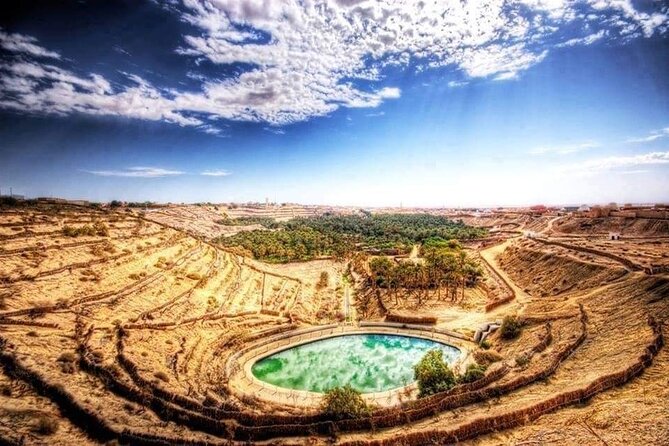
Tozeur marks a clear change in mood. The city sits in the Bled El Jerid region, near Algeria, and is known for date agriculture, palm groves, and distinctive sun-baked brick buildings.
The city’s economy has long depended on its oasis. The Tozeur oasis contains more than three million palm trees, including about 400,000 within the city, and is supplied by around 200 springs. Dates, especially the deglet ennour variety, are central to local life. The name means fingers of light, a fitting description for the translucent flesh of the fruit.
You have about an hour to see Tozeur, followed by a 45-minute horse-drawn carriage ride and walk through the oasis. The carriage ride is included, and it gives you a more relaxed view of the palm groves than a quick roadside stop. I like this part because it connects the city’s architecture and food directly to the irrigation system and farming economy around it.
The palm grove is not a decorative park. It is working agricultural land. That distinction matters. You are seeing the reason Tozeur exists and has prospered in an otherwise dry part of Tunisia.
Chak Wak adds a very different note. This five-hectare museum and entertainment park sits inside the oasis and mixes culture, religion, science, and staged displays. There are dinosaur figures, animal and human figures, small museums, caves, and huts spread among the palms. Its presentation of Earth and human history is unusual and somewhat theatrical.
I would treat Chak Wak as a light, family-friendly attraction rather than a conventional museum. Some people will enjoy the imaginative displays; others may prefer more time in Tozeur’s old streets or oasis. The one-hour visit gives you enough time to understand the concept without making it the central event of the day.
Chebika and Tamerza: The Mountain Oasis Day
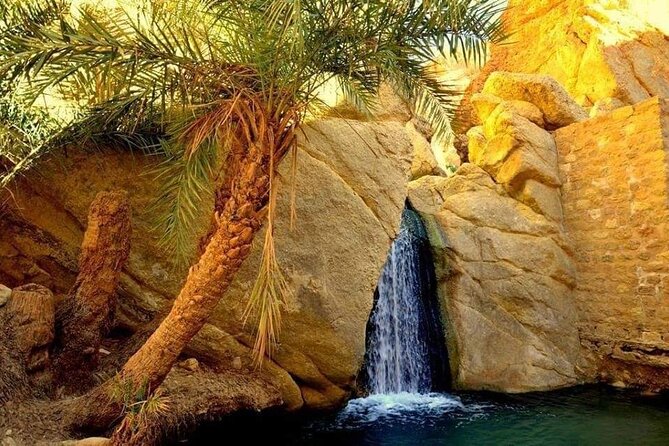
Day two brings the most striking natural scenery. Chebika is a mountain oasis west of Tozeur, where palms and water appear against dry rock. The contrast is the point. After the flat palm groves of Tozeur, you are suddenly among hills, ravines, and exposed stone.
The 45-minute stop at Chebika is short but worthwhile. Take your time with the views and watch your footing around uneven ground. The tour includes a 4×4 excursion to the great sand dunes of Ong Jmel, Chebika, and Tamaghza, giving you access to areas that a standard sedan may not reach.
Tamerza, also called Tameghza, lies about 14 kilometers north of Chebika. Its canyon runs for roughly 10 kilometers from Chebika, and the road is winding. You have around 30 minutes at the canyon, so the visit is mainly about seeing the scale of the gorge and understanding the defensive importance of this area in Roman and Byzantine times.
The road itself is part of the experience. It follows dramatic mountain country and reflects the remote position of these oases near the Algerian border. If you get motion sickness, prepare for the winding drive and tell your guide early.
More things to do in Tunis:
- Private Tour to Kairouan, El Jem & Monastir from Tunis_hammamet
★ 5.0 · 301 reviews - Private tour: Medina,Carthage ,Sidi Bou Said, Bardo Museum+lunch
★ 5.0 · 230 reviews - Carthage, Bardo Museum, Sidi Bou Said and Medina Private Day Tour
★ 4.5 · 153 reviews - Private Excursion to Testour, Dougga and Bulla Regia from Tunis.
★ 5.0 · 100 reviews
Salt, Film Sets, and Nefta
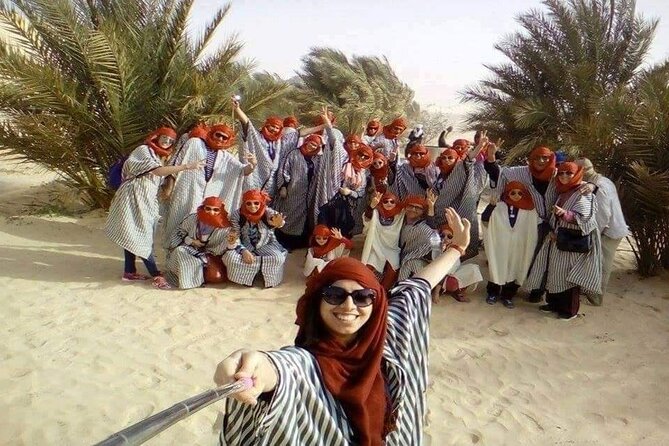
The route then shifts from mountain rock to open salt plain. Chott El Jerid is Tunisia’s largest salt lake, covering about 5,000 square kilometers. It is better understood as a vast sebkha, a saline depression, than as a normal lake with water around its shores.
Your 30-minute stop lets you see the wide, stark surface and the unusual colors and reflections that can appear across the salt. The area is associated with mirages, which makes the stop especially memorable in strong sunlight. Do not expect a long walk or a conventional lakeside visit. The appeal is the immense openness.
Near Nefta, you visit the Basket of Nefta, a bowl-shaped crevice once fed by 152 springs. Those springs irrigated the city’s palm grove, but many dried up during the 1980s. The story gives you a clearer picture of how fragile oasis life can be. Water is not a background detail here. It determines where people live, farm, and work.
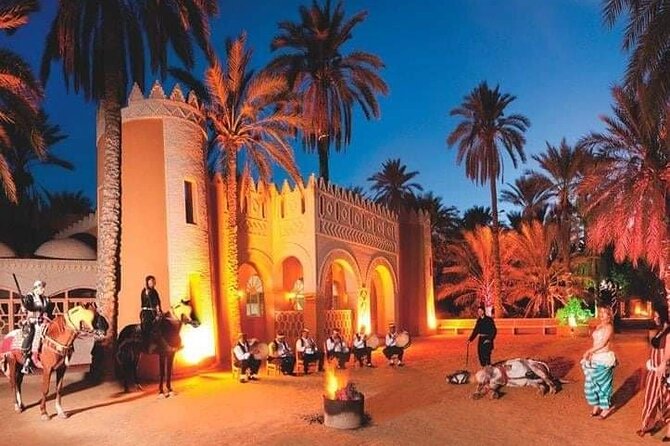
The Star Wars set near Nefta adds a dose of pop culture. George Lucas used the Tunisian desert for scenes from the films, and the sets were also used for Episodes I and II. The stop lasts about 30 minutes, which is enough to walk around, take photographs, and enjoy the odd sight of science fiction buildings sitting in a very real desert.
This is a good example of the tour’s broad appeal. You can appreciate the site as a film fan, as a photographer, or simply as a curious visitor seeing how filmmakers used the desert’s natural shapes.
Douz and Your First Sahara Sunset
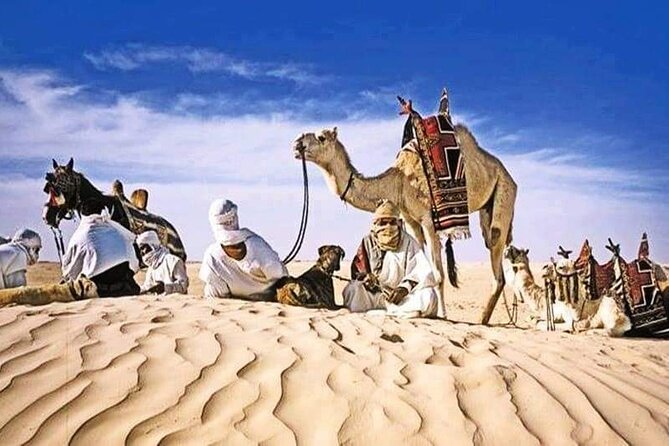
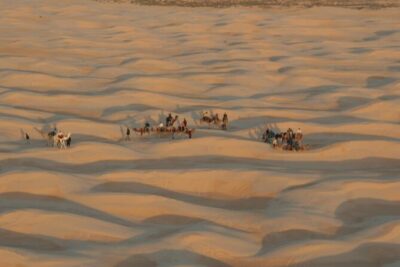
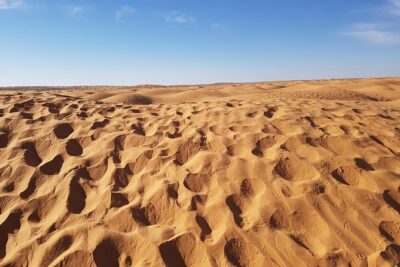
Douz is known as the gateway to the Sahara, and this is where the route delivers its clearest desert experience. The stop lasts about two hours and includes time to admire the sunset over the sand dunes.
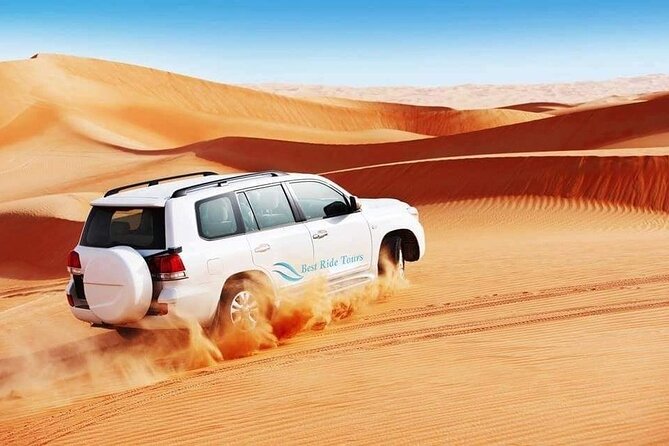
The included 4×4 excursion to Ong Jmel and the dunes is important because it gets you beyond the paved route. You can expect sand, open horizons, and a more adventurous change of pace after the cultural and archaeological stops earlier in the trip.
Quad biking costs an extra 30 euros per person. A camel ride costs an extra 20 euros per person. Neither is included, so decide before the activity begins if you want to add one. The camel ride is the gentler choice, while the quad offers more speed and noise. If you prefer simply to watch the sunset, you already have a complete desert stop without paying extra.
The evening is one reason the schedule feels worthwhile. You have spent much of the day moving between sites, but Douz gives you a moment to stop and look outward. Bring a layer for the evening, as the open desert can feel cooler after sunset. Sand will find its way into shoes, bags, and clothing, so pack accordingly.
Matmata’s Underground Homes
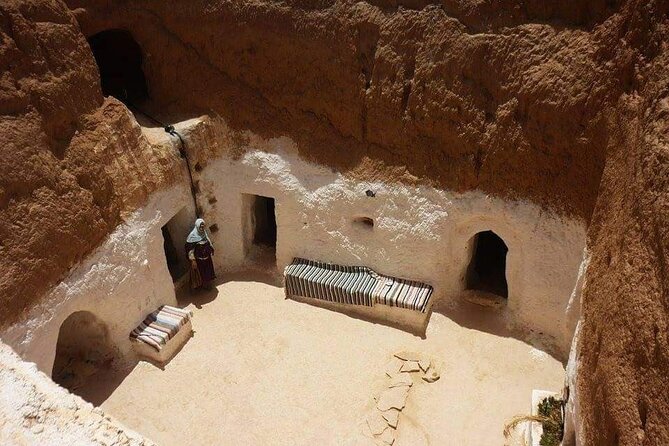
Day three begins with a 45-minute visit in Matmata, a Berber town known for its troglodyte homes. These dwellings are built around a sunken circular courtyard, with rooms opening off the central pit.
The design is practical as well as visually unusual. The underground rooms offer shade and shelter in a harsh climate, while the courtyard brings light and air into the home. You can see how the structure turns a dry, rocky setting into a usable living space.
The most meaningful version of this stop is a visit with a Berber family. A warm welcome with tea, fresh bread, and honey can make the architecture feel less like a museum display and more like someone’s everyday home. You may also see farm animals and learn about the family’s daily work.
This is one place where respectful behavior matters. Listen, ask before taking photographs, and remember that the home is still a private living space. The visit may be brief, but it can offer a better sense of local life than a long explanation from inside a vehicle.
El Jem: A Roman Finale
The final major stop is the amphitheater at El Jem, built in the Roman period from cut stone and designed for public spectacles. Its long axis measures 148 meters and its short axis 122 meters. With an estimated capacity of 35,000 people, it ranks among the largest amphitheaters in the world.
El Jem is impressive because it rises from a flat central Tunisian plain rather than being built into a hillside. Its design follows the basic model of Rome’s Colosseum, but it is not simply a copy. The size, surviving walls, and sense of scale make the 45-minute visit feel substantial.
I would save energy for this stop. After two and a half busy days, it is easy to treat the amphitheater as one more item on the schedule. Instead, walk through the seating areas and lower spaces if open, then look back at the exterior. The building makes the Roman presence in North Africa feel immediate and physical.
What the $638.80 Price Includes
At $638.80 per person, this is not a budget day trip. It is a multi-day private circuit that covers long distances, two nights of accommodation, transport, meals, guides, and site admissions.
The price includes an air-conditioned vehicle, carriage ride, entrance fees to the listed sites and museums, two breakfasts, and two dinners. The 4×4 excursions to the dunes, Chebika, and Tamaghza are also included. Quad biking and camel riding cost extra.
The value depends on how much planning you want to avoid. Organizing this route independently would mean arranging a driver, hotels, meals, desert transport, mountain access, and entry tickets. Here, those pieces are combined, and your group has a private service rather than joining a large coach.
Hotel quality can vary by booking, but the accommodation used on this type of circuit has been described as clean and comfortable, with good breakfasts and dinners. Ask for the hotel names before departure if that detail matters to you.
Who Will Enjoy This Tour Most
I would recommend this tour to you if you want a strong first look at southern Tunisia and do not want to handle the long-distance driving yourself. It suits couples, families, friends, and small private groups who value flexibility and a guide’s help at historical sites.
It is also a good choice if you want variety. You get major architecture, medinas, agriculture, mountain roads, salt flats, film history, dunes, traditional homes, and Roman ruins.
You should think twice if your ideal desert trip means sleeping under the stars, spending several days in one oasis, or taking long quiet breaks. The route is packed, and the early starts are real. The days may run from 7 a.m. until 5 or 6 p.m., especially when road conditions and distance are taken into account.
The drivers are an important part of the experience. Specific guides and drivers, including Chaouki, Ahmed, Yahya, Hamsa, and Usama, have been praised for safe driving, politeness, language skills, flexibility, and good organization. Since the roads and distances are a major part of the trip, a calm, capable driver is not a minor detail.
Should You Book It?
Book this three-day Tunisia South tour if you want maximum variety in minimum time, especially with your own group and a private vehicle. The strongest parts are the mountain oases, Chott El Jerid, Douz at sunset, Matmata’s family visit, and El Jem.
Skip it if you want a slow schedule or dislike long drives. For most first-time visitors with only three days for the south, the price is reasonable for the amount covered, particularly because transportation, entrance fees, dinners, breakfasts, and 4×4 excursions are included.
You can cancel for a full refund up to 24 hours before the start time. The experience depends on good weather and a minimum number of participants, and a cancellation for either reason offers a new date or a full refund.
FAQ
Where does the tour start?
The tour starts from Tunis, with pickup offered. The stated start time is 7:00 a.m.
Is this a private tour?
Yes. Only your group participates in the activity.
What meals are included?
Two dinners and two breakfasts are included. Lunch is not listed as included.
Are camel rides and quad biking included?
No. Quad biking costs 30 euros per person, and a camel ride costs 20 euros per person.
How long is the tour?
The experience lasts approximately three days and includes two nights.
What happens if bad weather cancels the tour?
If poor weather causes a cancellation, you will be offered a different date or a full refund.
Just added in Tunis
- Private Arrival Transfer: Tunis Airport to Tunis Hotel★ 4.5 · 5 reviews
- Cap Bon Guided Day Tour from Tunis★ 5.0 · 2 reviews
- Unveiling the Beauty of Sidi Bou Said and Carthage Private Tour★ 5.0 · 2 reviews
- Dougga Guided Day Tour from Tunis★ 5.0 · 5 reviews
- Tunis Carthage Private Arrival Airport Transfer to Tunis★ 5.0 · 4 reviews
- Tunis Group Tour: Carthage, Sidi Bou Said, Bardo museum & Medina★ 5.0 · 5 reviews
- Kairouan-El Jem★ 4.5 · 2 reviews
- Bardo Museum , Oudhna and the roman aqueduct★ 5.0 · 4 reviews
Sahara Desert Excursions, compared.
2-Day Tunisian Sahara Tour with Food & Stay from Hammamet
Read our review →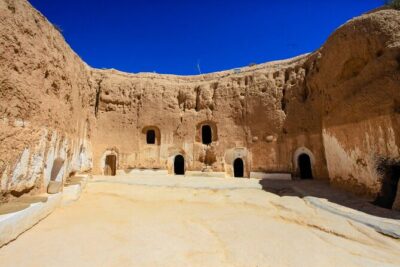
2-Day Tunisian Sahara Tour with Food & Stay from Sousse
Read our review →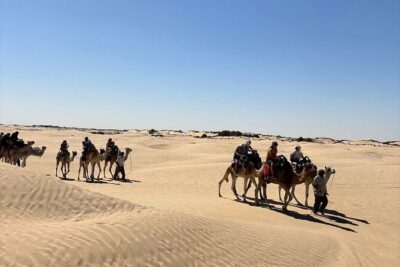
Door of the tunisian desert Ksar Ghilane and Matmata: Full one Day
Read our review →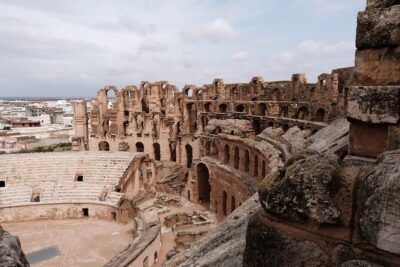
2-Day Tunisia Sahara Desert Camel Trek from Douz
Read our review →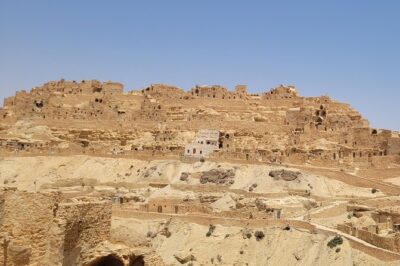
Browse the lists this tour appears in