
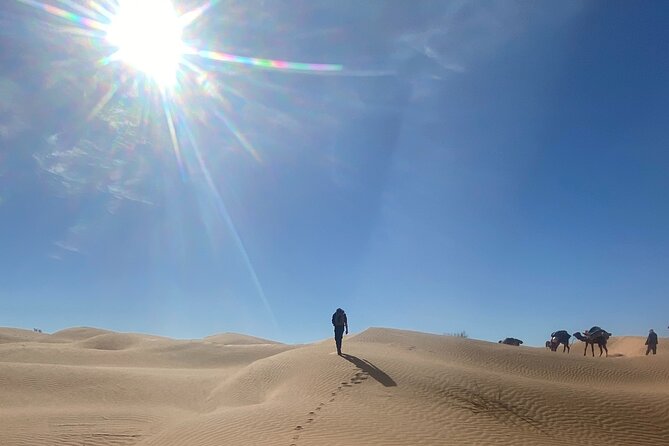
Reviewed · SAHARA DESERT EXCURSIONS
Desert tours and adventurous camel trekking through the Sahara
Silence is the real luxury here. This eight-day private journey from Djerba takes you into Tunisia’s Sahara by camel, with nights in simple desert camps, meals around the fire, and long stretches of sand far from roads and screens. I like the slow camel trek and the chance to sleep outdoors beneath the stars. I also like that the trip connects the desert with real places, including Douz, the traditional souks, and Matmata’s underground homes. The main concern is price: at $1,110.18 per person, this is a costly desert trip, and the basic camp life may not feel like good value for everyone.
This is not a quick camel ride for holiday photos. You spend roughly a week moving through the Erg Oriental, the great dune region that reaches across Tunisia, Algeria, and Libya. The days are simple and repetitive in the best sense: walking, riding, resting, watching the light change, and eating food prepared by the Bedouin crew. Still, you need moderate physical fitness, patience with basic conditions, and a real interest in quiet travel.
In This Review
- Key points to know before booking
- What this eight-day Sahara trip is really like
- Day one: Douz, the Gate of the Desert
- Days two through six: five days among the dunes
- Campfire evenings, food, and Bedouin hospitality
- Sleeping under the stars and handling simple conditions
- Day seven: returning through Douz and Matmata
- Day eight: departure from Djerba
- Is $1,110.18 per person fair value?
- Who will enjoy this trip most?
- Should you book this Sahara camel trek?
- FAQ
- Where does the desert tour start?
- Where does the experience end?
- How long does the tour last?
- How much does the tour cost?
- Is pickup available?
- Is this a private tour?
- Do I need to be physically fit?
- Can I sleep outside?
- What places are visited after the desert trek?
- What is the cancellation policy?
Key points to know before booking
- Six nights in the Sahara: The route passes through El Hedan, La Ghuezza, Hashiat Erramal, Thuall Erbaier, and Bir Abdhull before returning to Douz.
- Camel trekking, not a short excursion: The dromedaries accompany the group through the desert, with walking and riding forming the heart of the trip.
- Bedouin camp life: Expect tents, campfire evenings, home-cooked meals, and the option to sleep outside under the stars.
- Mounir leads the operation: He is described as friendly, helpful, and multilingual, with a long record of running desert trips.
- Cultural stops on the return: Day seven includes Douz’s center and souks, followed by a visit to a Berber troglodyte house in Matmata.
- Private group format: Only your own group takes part, but the high price deserves careful comparison with other desert operators.
What this eight-day Sahara trip is really like
The appeal is not a long list of attractions. It is the change of pace. You leave Djerba, cross into southern Tunisia, and gradually trade paved roads and phone signals for dunes, wind, and open sky.
I like the way the route gives the desert enough time to work its effect. A one-hour camel ride can be pleasant, but it ends just as your body and mind begin to adjust. Here, the desert becomes the setting for nearly a full week. You watch the dunes change color at sunset, hear music around the fire, and wake to another sunrise with no city noise nearby.
The trip is private, which matters if you want control over the mood and pace of the journey. It can also make the $1,110.18 price easier to understand if you are sharing the experience with family or friends. For a solo customer or a couple, though, the cost is significant. Two separate comments describe the price as much higher than comparable desert tours, including one estimate of a roughly 400-euro difference.
That criticism should not be brushed aside. The crew appears to work hard, and the food and organization receive warm praise, but the trip is still built around simple desert living. You are paying for time, planning, transport, camels, staff, and a private arrangement, not for a luxury camp with polished hotel services.
More Sahara Excursions in Djerba
- Private Day Trip Ksar Ghilane Oasis
★ 5.0 · 53 reviews - Door of the tunisian desert Ksar Ghilane and Matmata: Full one Day
★ 4.0 · 42 reviews - Private getaway in the desert like no other
★ 5.0 · 16 reviews
Day one: Douz, the Gate of the Desert
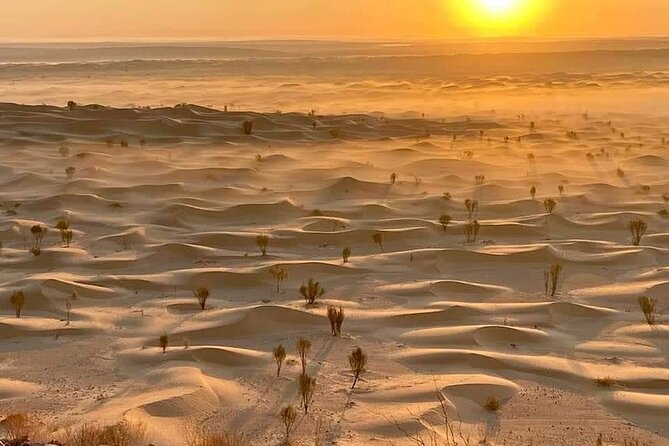
The first full desert day begins around Douz, a nomadic town known as the Gate of the Desert. It sits beside the Erg Oriental and is known for its dates. You eat together in Douz, and you can buy a turban if you want one for sun protection or simply for the look of the part.
I would treat Douz as more than a staging point. The town has long been linked with movement through the Sahara, and its position on the edge of the dunes explains why it became a meeting place for people crossing the region. The itinerary gives you time there again on day seven, when you visit the town center and traditional souks.
After dinner, the group drives for about 90 minutes into the desert. This transfer is important because the camp is not just beside a town or a hotel road. You are taken directly into the open desert, where the Bedouin team and dromedaries are waiting.
The first evening involves setting up tents and preparing camp. If you prefer a more open night, you can find a place for your sleeping bag and sleep beneath the stars. That option captures the spirit of the trip, but you should be comfortable with basic outdoor conditions before choosing it.
The day is listed as roughly eight hours, though that includes the meal, transfer, and camp arrangements. The most useful thing to understand is that this is the transition day. You move from ordinary Tunisian tourism into a much simpler routine.
Days two through six: five days among the dunes
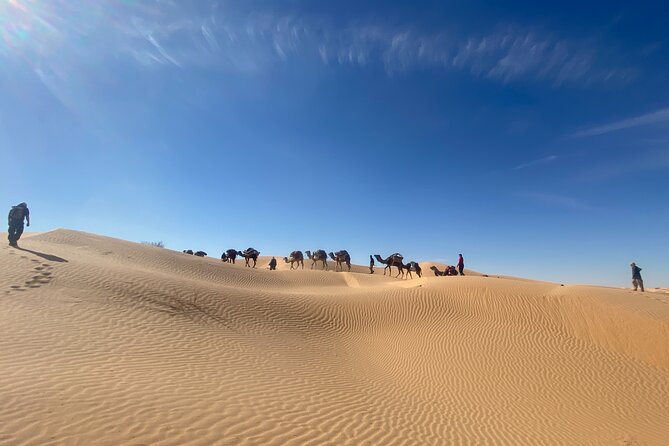
The middle of the trip is divided among El Hedan, La Ghuezza, Hashiat Erramal, Thuall Erbaier, and Bir Abdhull. The schedule gives each place a name, but it does not provide a list of separate sights at every stop. That is a clue to the nature of the experience: the route is about crossing the desert, not collecting monuments.
Your dromedary trek is the main event. Some people will enjoy walking beside the animals, while others will prefer riding for part of the route. The trip description presents both hiking and camel travel as central activities, so you should expect regular movement rather than a camp holiday where you sit in one place.
The desert can be physically demanding even when the pace is manageable. Sand changes the effort required for walking, and camel riding can become uncomfortable over time. The stated requirement for moderate physical fitness is worth taking seriously. Good general mobility will make the week more enjoyable.
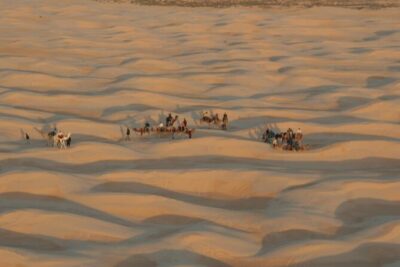
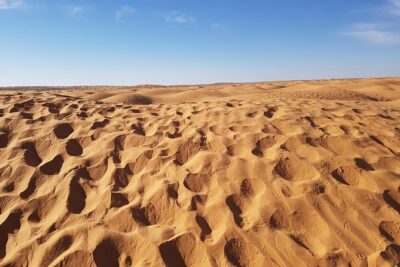
Each day also gives you a chance to notice small changes that are easy to miss on a fast tour. Wind draws lines across the sand. The sun shifts the shape and color of the dunes. At night, the lack of nearby city light makes the stars a major part of the experience.
The quiet is one of the most praised parts of this journey. Several people describe moving from noise into silence and finding the simplicity restorative. If your idea of a holiday includes a full schedule, constant entertainment, and reliable internet, you may struggle here. If you want a break from screens and decisions, the same limits may feel like the point.
Campfire evenings, food, and Bedouin hospitality
The evenings are built around the campfire. The Bedouin crew prepares traditional, home-cooked dishes, and the group gathers for music and conversation. One useful detail is that vegetarian meals were provided, so you should raise dietary needs during the booking process even though the available information confirms only vegetarian provision.
The food receives generally positive comments, though not every part of the trip wins the same level of praise. I would set your expectations correctly: this is camp cooking in a remote desert, not restaurant dining. The value lies in eating a warm meal after a day outside and sharing the setting with the people running the journey.
The crew’s care is a major strength. Mounir is repeatedly described as friendly, helpful, multilingual, and good at keeping the operation organized. One particularly loyal customer had taken many desert trips with him over the years, sometimes several in a single year. That kind of repeat custom suggests a strong personal connection with the guide and team.
Still, you should not assume the same experience for every solo participant. One account describes the trip as less suitable for a woman traveling alone, raising concerns about comfort and security despite an otherwise positive experience. The available information does not spell out a specific solo-women policy, so I would contact the operator directly before booking if you have any concern about traveling alone.
A completely different kind of day:
- Discovery ride on horseback or camel 2h30
★ 5.0 · 153 reviews - Djerba Flamingo Island Pirate Boatrip – Trip, Lunch & Pick-up
★ 3.5 · 84 reviews - One night under the tent: Tataouine – Chenini – Ksar Ghilane – Matmata
★ 5.0 · 53 reviews - Guided Tour of Djerba island, Museums, Crocodile park & lunch
★ 4.0 · 52 reviews
Sleeping under the stars and handling simple conditions
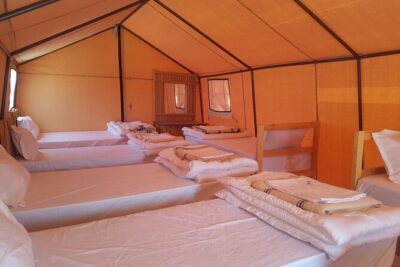
The camp offers tents, but you can also sleep outdoors with your sleeping bag. That choice is one of the most memorable parts of the trip for people who enjoy open-air nights. The desert sky, sunrise, and sunset are repeatedly praised, and these moments cost nothing extra once you are there.
Basic conditions are part of the bargain. The information provided does not specify showers, toilets, electricity, charging points, or daily luggage arrangements. Do not assume hotel-style facilities. Ask the operator exactly what camping equipment is supplied and what you need to bring.
A digital break sounds appealing until you need a phone, medication, or flight update. Since this is a remote trip, I would prepare before leaving Djerba. Download essential information, tell someone your route, and carry the personal items you need for several days outdoors.
The lack of detail is not automatically a fault, but it does affect value. At this price, you deserve clear answers about sleeping arrangements, washing facilities, baggage, water, and communication before you commit.
Day seven: returning through Douz and Matmata
Around 9:00 a.m. on day seven, a four-wheel-drive vehicle collects the group from the Bedouin camp. After the final breakfast in the desert, you return to Douz for about four hours, including time in the town center and traditional souks.
This is a welcome change after nearly a week among the dunes. You can see Douz in a more settled context, browse local goods, and look again at the town’s links with nomadic life. If you want a turban, the first day is the stated opportunity to buy one, but the souks may offer a broader look at local commerce.
The next stop is Matmata, about a 90-minute drive away. Here you visit a Berber troglodyte house, an underground dwelling cut into the earth. Only a small number of people still live in the original style, and the visit gives you a direct look at how families adapted their homes to the harsh climate.
The house visit is described as personal and informal. You can ask the owners questions and take photographs. I like this stop because it brings a human scale to a journey otherwise dominated by sand and sky. Be respectful, and remember that this is someone’s home, not simply a museum display.
The day continues toward Djerba. The group takes a ferry across the water, with the crossing lasting about 20 minutes, then continues across the island toward the starting point. Djerba’s olive groves, beaches, and Mediterranean setting make a sharp contrast with the desert.
Day eight: departure from Djerba
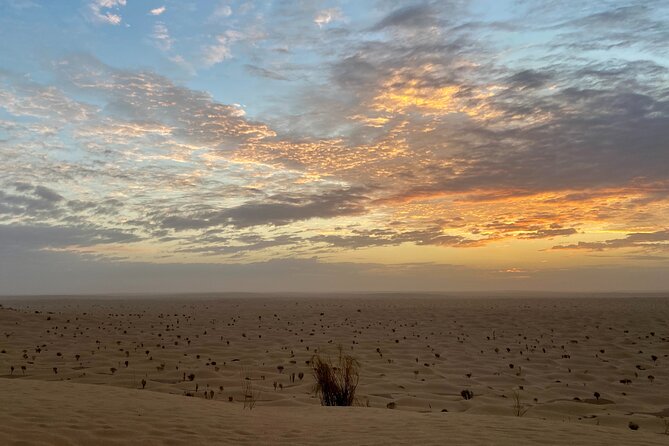
The last morning is simple. You have breakfast, then receive a transfer to the airport depending on your flight time.
Because the final transfer depends on your departure schedule, you should provide accurate flight details when arranging the trip. The experience ends back at the meeting point in Djerba, so it works best as part of a wider Tunisian holiday that begins or ends on the island.
The return route also gives the trip a useful shape. You start near Djerba, move through Douz into the desert, cross back through Douz and Matmata, and finish on Djerba. It is not just a desert loop. You see the island, the inland towns, the underground homes, and the dunes in one eight-day journey.
Is $1,110.18 per person fair value?
The price is the hardest part of the decision. At $1,110.18 per person, this is not a budget camel trek. Some people found the cost far above similar tours, while others valued the careful organization, personal attention, and returning to the same team over many years.
I would judge the price against the kind of trip you want. The cost may make sense if you value:
- A private trip for your own group
- Nearly a week in the Sahara instead of a short camel ride
- A Bedouin crew handling camp and meals
- A guide such as Mounir, with multilingual support
- Transport between Djerba, Douz, Matmata, and the desert
It may feel poor if you mainly want to ride a camel, see dunes, and spend one night away from town. Shorter desert trips can provide those basic elements for much less money, according to the price comparisons described by past customers.
Before booking, ask for a precise list of inclusions. The published details confirm pickup, a mobile ticket, meals in the desert, camel trekking, camp arrangements, the 4×4 return, and the listed sightseeing stops. They do not spell out every meal, facility, transfer condition, or item of camping gear.
Who will enjoy this trip most?
I would recommend it to someone who wants time rather than speed. You should enjoy long quiet periods, basic outdoor living, shared meals, and the physical rhythm of walking or riding across sand.
It suits couples, families, or private groups that want the desert on their own terms. It also suits repeat desert visitors who already know that the appeal is not a checklist of sights. The strong loyalty to Mounir’s team suggests that some people return for the crew as much as for the dunes.
I would hesitate to recommend it to someone who needs comfort, fast communication, or a full daily program. I would also ask extra questions if you are traveling alone, especially as a woman, because the available information does not clearly explain the arrangements for solo participants.
The tour requires moderate physical fitness. You do not need to be an athlete, but you should be ready for several days of outdoor activity and the demands of camel riding. If you have mobility, medical, or dietary needs, contact the operator before paying.
Cancellation is generous only if you plan ahead. Cancel at least six full days before the start for a full refund. Cancellation two to six days before the start allows a 50 percent refund, while cancellation less than two days before the start receives no refund. Poor weather or failure to reach the minimum group size can lead to a new date or a full refund.
Should you book this Sahara camel trek?
Book it if you want a serious desert journey, not a quick photo stop. The best parts are the long period of silence, the changing dunes, the campfire music, the starry nights, the Bedouin cooking, and the care associated with Mounir and his crew.
Think hard about the price. The experience has earned strong praise for its beauty, organization, and human warmth, but it has also received clear criticism for costing much more than comparable tours. I would contact the provider, confirm exactly what is included, ask about solo participation and facilities, then compare the answer with shorter options in Douz.
For the right person, this can be a powerful week of simple living and open sky. For someone looking for a low-cost introduction to the Sahara, it is probably more trip than necessary, and too expensive for the basics provided.
FAQ
Where does the desert tour start?
The tour starts in Djerba, Tunisia.
Where does the experience end?
The activity ends back at the meeting point in Djerba.
How long does the tour last?
The tour lasts approximately eight days.
How much does the tour cost?
The listed price is $1,110.18 per person.
Is pickup available?
Yes. Pickup is offered.
Is this a private tour?
Yes. Only your own group participates in the activity.
Do I need to be physically fit?
You should have a moderate level of physical fitness because the trip includes desert hiking and camel trekking.
Can I sleep outside?
Yes. On the first night, you can choose a place for your sleeping bag and sleep under the stars instead of using a tent.
What places are visited after the desert trek?
On day seven, the route returns to Douz for a city-center and souk visit, then continues to Matmata for a visit to a Berber troglodyte house before returning toward Djerba.
What is the cancellation policy?
Cancel at least six full days before the start for a full refund. Cancellation two to six full days before the start allows a 50 percent refund. Cancellations less than two full days before the start are not refunded. Poor weather or failure to meet the minimum number of participants may result in a different date or a full refund.
More Camel Rides in Djerba
- Explore Djerba by camel and horse
★ 4.5 · 27 reviews - Horseback riding or camel at sunset in Djerba
★ 5.0 · 6 reviews - 2-Day Tunisia Sahara Desert Camel Trek from Douz
★ 5.0 · 27 reviews - 3-Day Tunisia Sahara Desert Camel Trek from Douz
★ 5.0 · 9 reviews
Just added in Djerba
- Legends Berbers & Adventure Star Wars The Secret of the Wren★ 5.0 · 2 reviews
- 2 Days Private to Ksar Ghilan and Chenini night in Bivouac★ 5.0 · 1 review
- Djerba Island Half Day Tour★ 5.0 · 1 review
- Horseback riding or camel at sunset in Djerba★ 5.0 · 6 reviews
- The three desert and mountain oases★ 5.0 · 6 reviews
- Ksar Ghilaine and Chneni Tataouine 1 day tour in Tunisia★ 5.0 · 8 reviews
- From Djerba: Explore the desert in a day★ 5.0 · 8 reviews
- 2 days tour to Douz & Ksar Ghilan oasis. and an overnight in the sahara under bedouin tent .. Dinner in the camp, Private Jeep – with english speaking guide.★ 4.5 · 8 reviews
Sahara Desert Excursions, compared.
2-Day Tunisian Sahara Tour with Food & Stay from Hammamet
Read our review →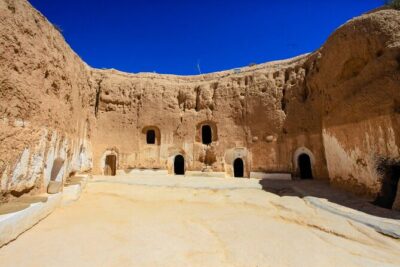
2-Day Tunisian Sahara Tour with Food & Stay from Sousse
Read our review →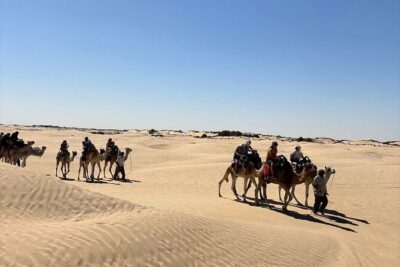
Door of the tunisian desert Ksar Ghilane and Matmata: Full one Day
Read our review →
2-Day Tunisia Sahara Desert Camel Trek from Douz
Read our review →
The Tunisian South between Oasis and Mountain: 3 Days / 2 Nights Douz and Tozeur
Read our review →Browse the lists this tour appears in